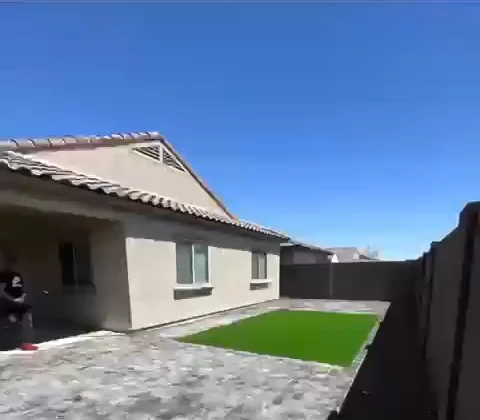
A green lawn in Phoenix is possible, but it comes with frequent summer watering, mowing, overseeding in the fall and a higher water bill. That is why so many Valley homeowners in places like Chandler, Maricopa and Peoria are switching part or all of their backyard to artificial turf.
The first question is usually about artificial turf installation cost, and the honest answer is that it depends on the yard. This guide explains what moves the price up or down, then compares turf and real grass on the things that matter in the desert: water, heat, pets, kids, maintenance and what happens to the irrigation underneath.
What affects artificial turf installation cost?
Turf is usually priced by the square foot, installed, but the number on the estimate depends much more on the yard than on the turf itself. The biggest factors are the total area, how much old grass, rock or soil has to be removed and hauled away, how much base material is needed, how level the yard is, and how easy it is to get equipment and material into the backyard.
Shape matters too. A simple rectangle installs faster than a yard with curves, planters, trees and many edges, because every curve means more cutting and more seams. Then come the options: the turf product, pet friendly drainage, infill type, borders, and any pavers, curbing or irrigation changes done in the same project.
Because of all that, we do not quote turf by phone. Market prices can range widely from one yard to the next, so the useful number is the one written after someone measures your space and sees the ground.
Up front cost vs. long term cost
Turf costs more up front than seeding or laying sod. Real grass costs less to install but keeps costing every month: water, mowing, fertilizer, overseeding, sprinkler repairs and replacing dead patches after summer.
Over the years, much of the water and maintenance cost goes away with turf. How fast that balances out depends on how big the lawn is, how much you water now and how long you plan to stay in the house. For a small backyard that is mostly used for play or pets, many homeowners decide the convenience alone is worth it.
Water and maintenance
Grass needs regular watering most of the year in the desert, plus mowing, edging, fertilizer and dealing with brown patches and summer stress. In winter many lawns are overseeded with rye grass, which means more watering just to stay green.
Turf needs no watering and no mowing. It does need occasional rinsing to clear dust, brushing to keep the fibers upright in high traffic areas, and removing leaves so they do not break down on the surface. A leaf blower and a hose cover most of it.
Heat in a Phoenix summer
Turf gets hot in direct summer sun, noticeably hotter than natural grass. That is the most common complaint, and it is real. Shade from trees, a pergola or a patio cover helps a lot, as do lighter colored infill and a quick rinse before kids or pets use it.
Many homeowners put turf in the play and seating areas that get shade part of the day, and keep the hottest spots with desert plants, gravel or pavers. Planning the layout around the sun is one of the best ways to get a yard you actually use in July.
Pets and kids
Turf stays green and mud free, which many pet owners love. No more dug up patches or muddy paws on the floor. Choose a product with good drainage through the backing, use an infill made for pet areas, and plan to rinse those spots regularly so odor does not build up.
For kids, turf gives a clean, soft play area all year. Under a swing set or play structure, extra padding under the turf can be added for a softer surface.
What a good turf install includes
The quality of the install decides how the turf looks in five years. Old grass and roots are removed so they do not grow back through. A compacted base of decomposed granite or crushed rock is spread and graded so water drains away from the house and does not pool. Weed barrier goes down where needed.
Then the turf is rolled out with the fibers all facing the same direction, seams are joined carefully so they do not show, and the edges are secured so the turf does not lift. Infill is brushed in, and the borders against pavers, curbing or rock are finished cleanly. A cheap install that skips base work usually shows ripples, low spots and visible seams within a season or two.
Do not forget the irrigation underneath
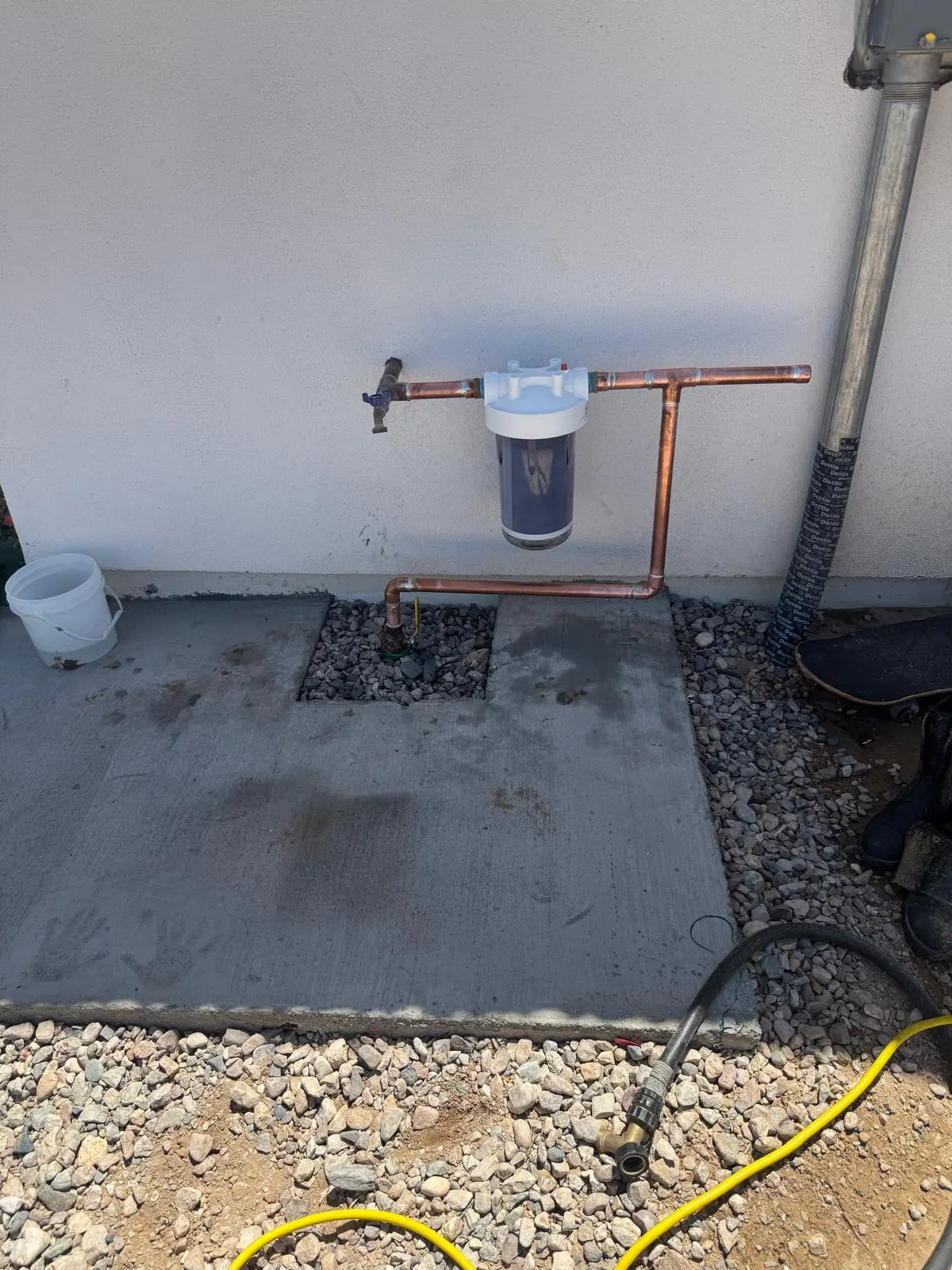
Sprinkler lines under the new turf must be capped properly at the valve or the line, or converted to drip lines for the trees and plants that stay. A forgotten line under turf can leak out of sight for months, soften the base and raise the water bill without anyone knowing why.
This is where having a plumber on the job helps. Arturo's team handles the irrigation changes, and because we also do gas line installation, we can run gas for a grill, fire pit or patio heater in the same project, before the pavers and turf go down.
Turf, grass or a mix?
For many Phoenix backyards the best answer is a mix: turf where people and pets spend time, real plants and trees for shade and life, and pavers for a patio or walkway. Real grass still makes sense for homeowners who love a natural lawn and do not mind the watering and upkeep. Turf makes sense when you want a green, low maintenance yard that looks the same in August as in January.
If you are not sure, start with one area, like the space behind the patio or a dog run, and see how your family uses it. A good install can be extended later with matching turf, and the base work and irrigation changes are easier to plan when the whole backyard layout is drawn up from the start, even if it is built in stages.