Glendale is not one kind of house. Within a short drive you go from the old blocks of Catlin Court and Downtown Glendale, to the neighborhoods built from the 1970s to the 1990s like Bellair, Sahuaro Ranch and Missouri Ranch, to the newer homes of Arrowhead Ranch and the area around Westgate. The plumbing inside those homes is different, and so are the problems.
This guide is the conversation Arturo has with Glendale homeowners on almost every call: what your house probably has in the walls and under the slab, what usually fails first, when a repair is enough and when it is time to think bigger. It is meant to help you decide calmly, before something turns into an emergency.
Step one: find out roughly when your home was built
The year your home was built tells a plumber more than almost anything else. It hints at the pipe materials, the type of sewer line and how many decades of hard water have passed through the fixtures. You can usually find it on your county property record, in your closing papers or by asking the neighbors who have been there longest.
As a rough guide in Glendale: the homes around the historic downtown are the oldest and often have plumbing that was changed and added on over many years. The large middle band of the city, between downtown and the Loop 101, was mostly built from the 1970s to the 1990s. North Glendale is younger. Exceptions are common, so treat this as a starting point, not a diagnosis.
Older homes near Catlin Court and Downtown Glendale
In the oldest part of the city we often find cast iron or clay sewer lines, galvanized steel supply pipe and a patchwork of repairs from different decades. Many of these buildings are now shops and offices, which adds commercial use to old pipes.
Galvanized pipe rusts from the inside. The first sign is usually low water pressure that gets worse over the years, or brown water after the water has been off. Clay sewer lines have joints every few feet, and tree roots find their way into those joints looking for moisture. Cast iron can scale, crack or rot along the bottom of the pipe.
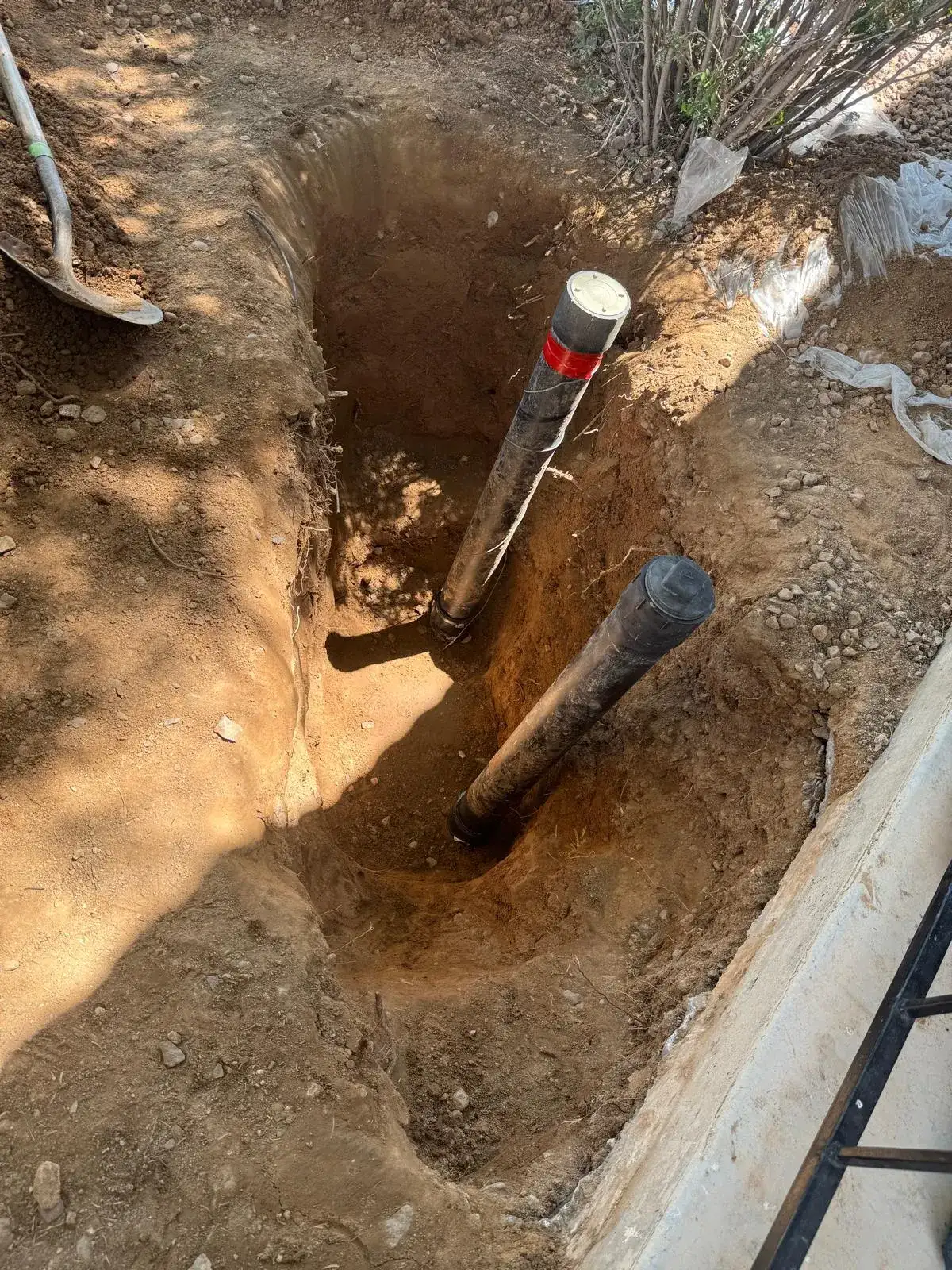
With homes like these, the right move is to look before you dig. We run a camera through the sewer line to see the condition and the exact location of the problem, so the repair opens as little of the yard, floor or historic finish as possible.
Homes from the 1970s to the 1990s
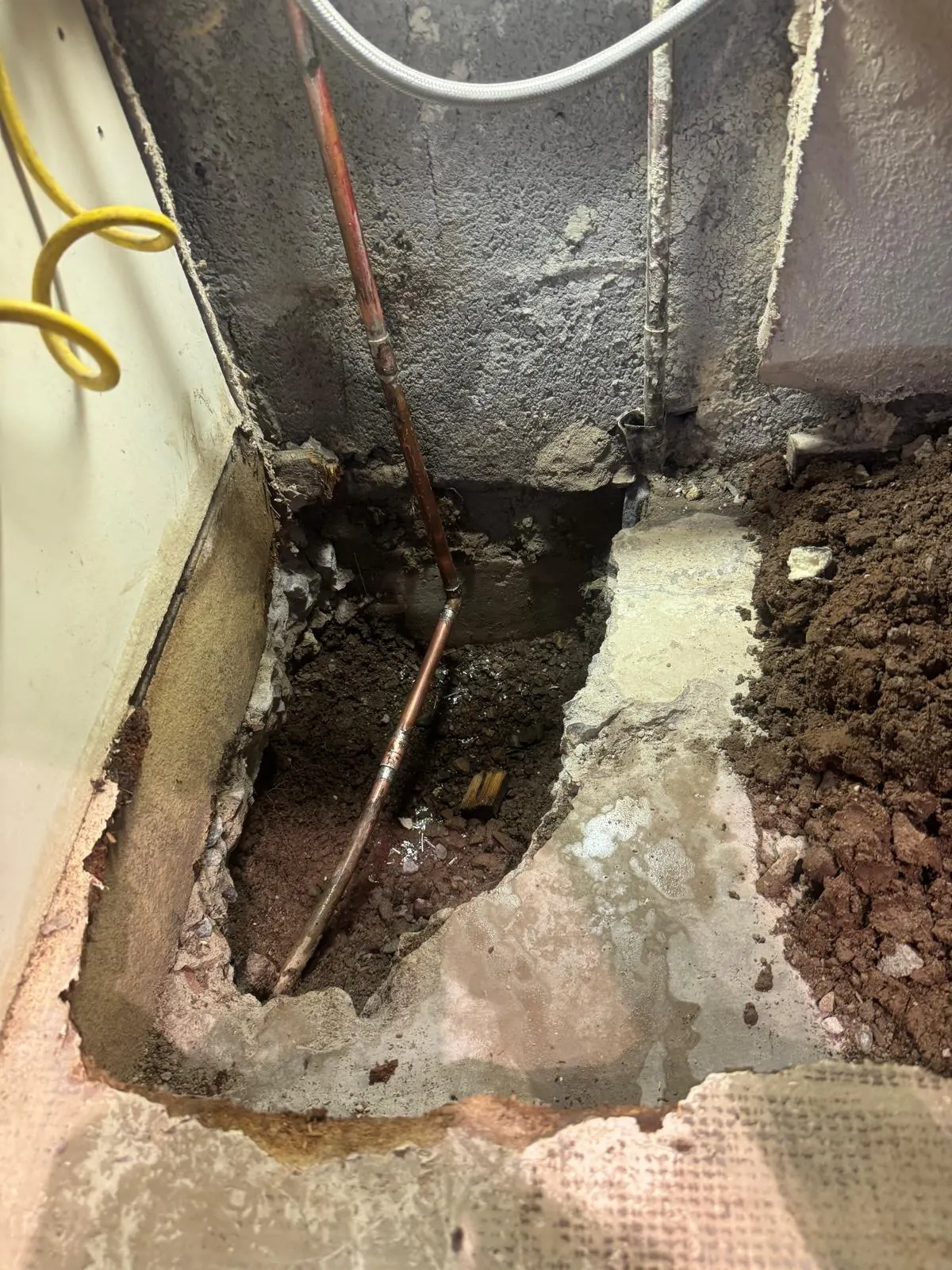
In neighborhoods like Bellair, Sahuaro Ranch and Missouri Ranch, most homes sit on a concrete slab with copper water lines running under or through it. After decades of hard water and the movement of desert soil, those lines can develop pinhole leaks. That is when we start seeing slab leaks: a warm spot on the floor, the sound of running water with every tap closed, or a water bill that jumps for no reason.
These homes are also at the age where the original shutoff valves stop closing all the way, the second or third water heater is wearing out and the original toilets and faucets have been leaking slowly for years. None of these are dramatic on their own, but together they are worth a full check.
Spot repair or repipe: how to decide
One leak in a copper line under the slab does not automatically mean the whole house needs new pipe. If the rest of the system looks healthy, a single repair can make sense. If it is the second or third leak in a few years, if the water pressure is poor everywhere or if the home still has galvanized pipe, a repipe is usually the better investment.
In a slab home, a repipe often means running new lines, commonly PEX or copper, through the attic and walls instead of under the floor, then abandoning the old lines in the slab. That avoids breaking the floor in several places. The walls get small openings that have to be patched.
This is where it helps that Arturo is a plumber and a general contractor. The same crew opens the wall, runs the new pipe, closes the drywall, and handles the tile and painting, so you are not left looking for three other trades to finish the job.
Drain trouble: one fixture or the main line?
If only one sink or one tub is slow, the clog is usually close to that fixture: hair in a bathroom drain, grease and food in the kitchen line. If several drains back up at once, if the toilet gurgles when the washer drains or if water comes up in the lowest shower, the problem is more likely in the main sewer line.
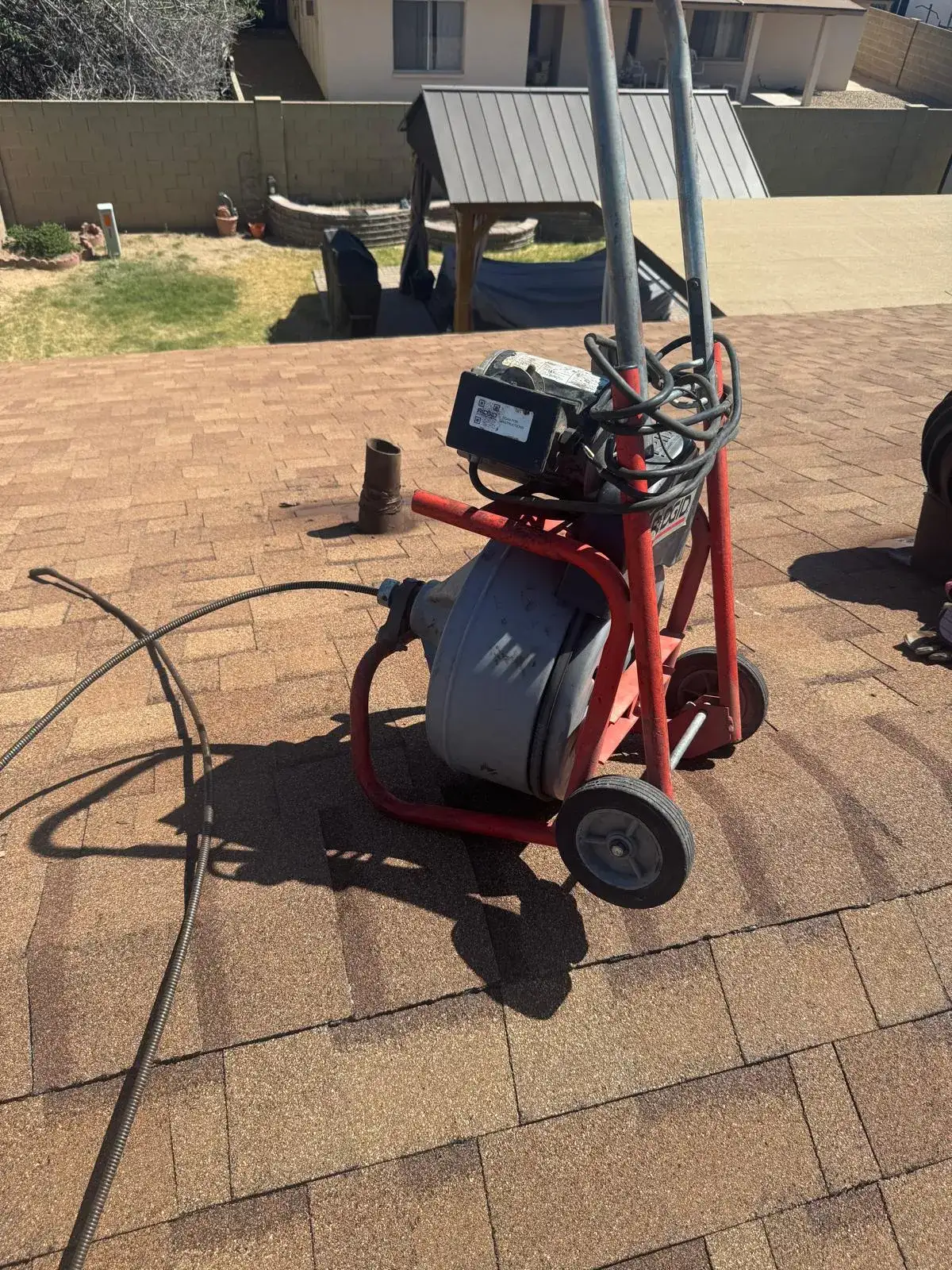
For a main line, we clear the blockage with an electric drain machine and then run the inspection camera through the pipe. Clearing the line gets you working again. The camera tells you why it clogged in the first place: roots, a belly where the pipe sagged, a broken section or simple buildup. That is what decides whether you need a cleaning, a section repair or a replacement.
Avoid pouring strong chemical drain cleaners into a line that is fully stopped. They often do not reach the clog and can sit in the pipe, which is hard on old pipes and on whoever has to open the line afterward.
Hard water habits that save calls
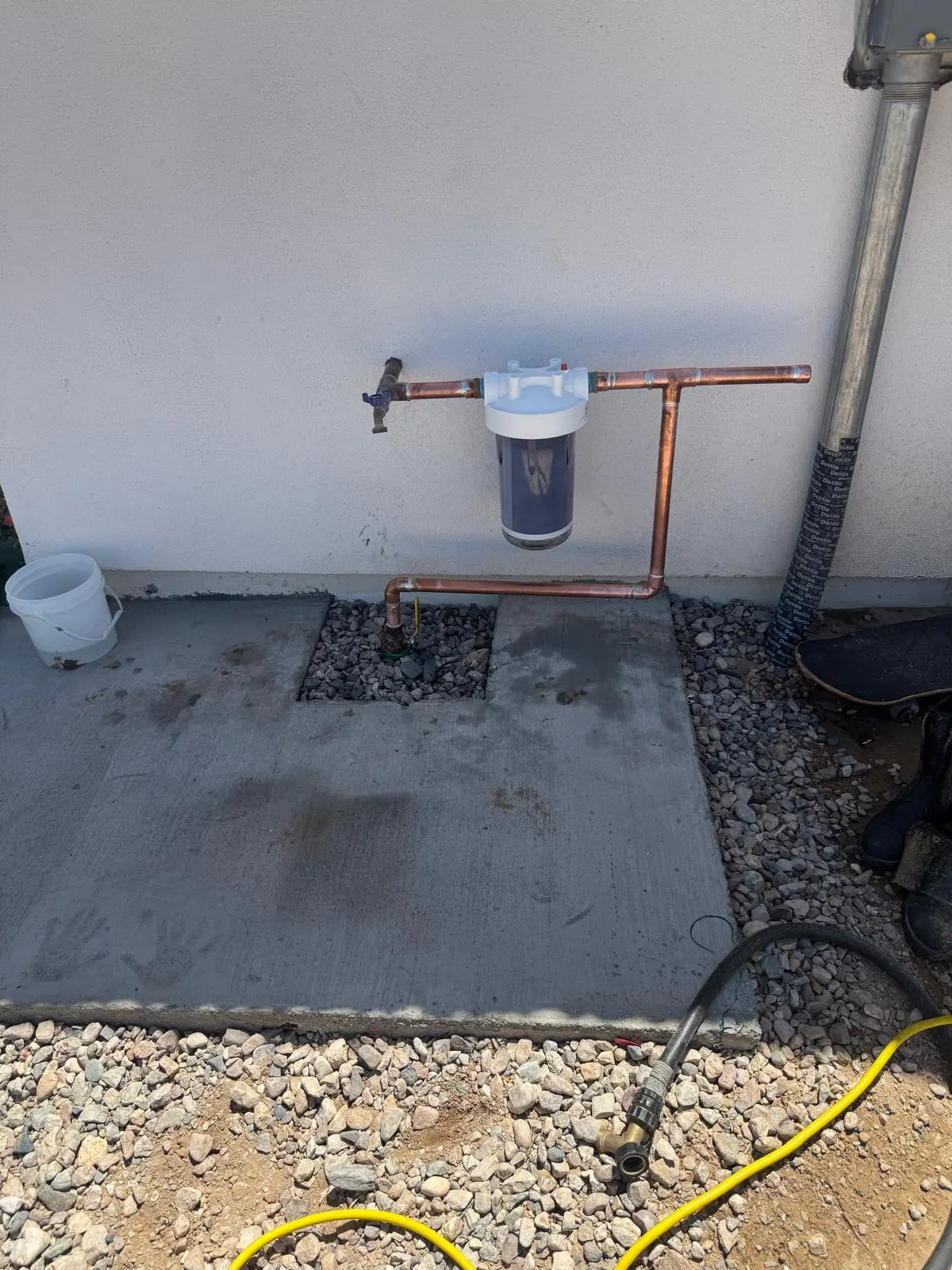
West Valley water is hard. Minerals settle in the water heater, toilet fill valves, faucet cartridges and shower heads. Flushing the water heater about once a year, soaking aerators and shower heads in vinegar and replacing a running toilet valve early all reduce the repairs that seem to come out of nowhere.
Also learn where your main water shutoff is and test it once or twice a year. In many Glendale homes it is near the front of the house or in the garage. A valve that has not moved in twenty years may not close when you need it most.
When to call instead of waiting
Some things can wait for a convenient appointment: a slow drip, a toilet that runs now and then, a stiff valve. Others should not wait: water you can hear running with everything closed, a warm or wet spot on the floor, sewage coming up in a drain, the smell of gas or a water heater leaking from the tank.
For water, close the main shutoff first and then call. For a gas smell, leave the house and call the gas utility from outside before anything else. We answer 24/7, and you can text photos so Arturo sees the problem before he arrives.