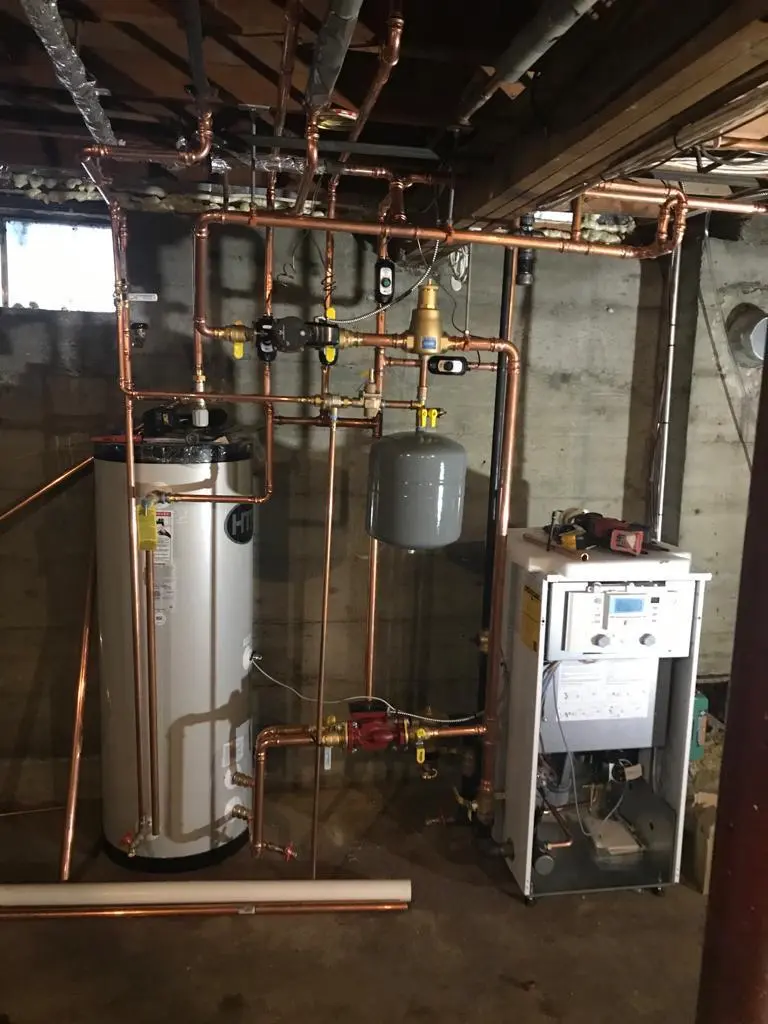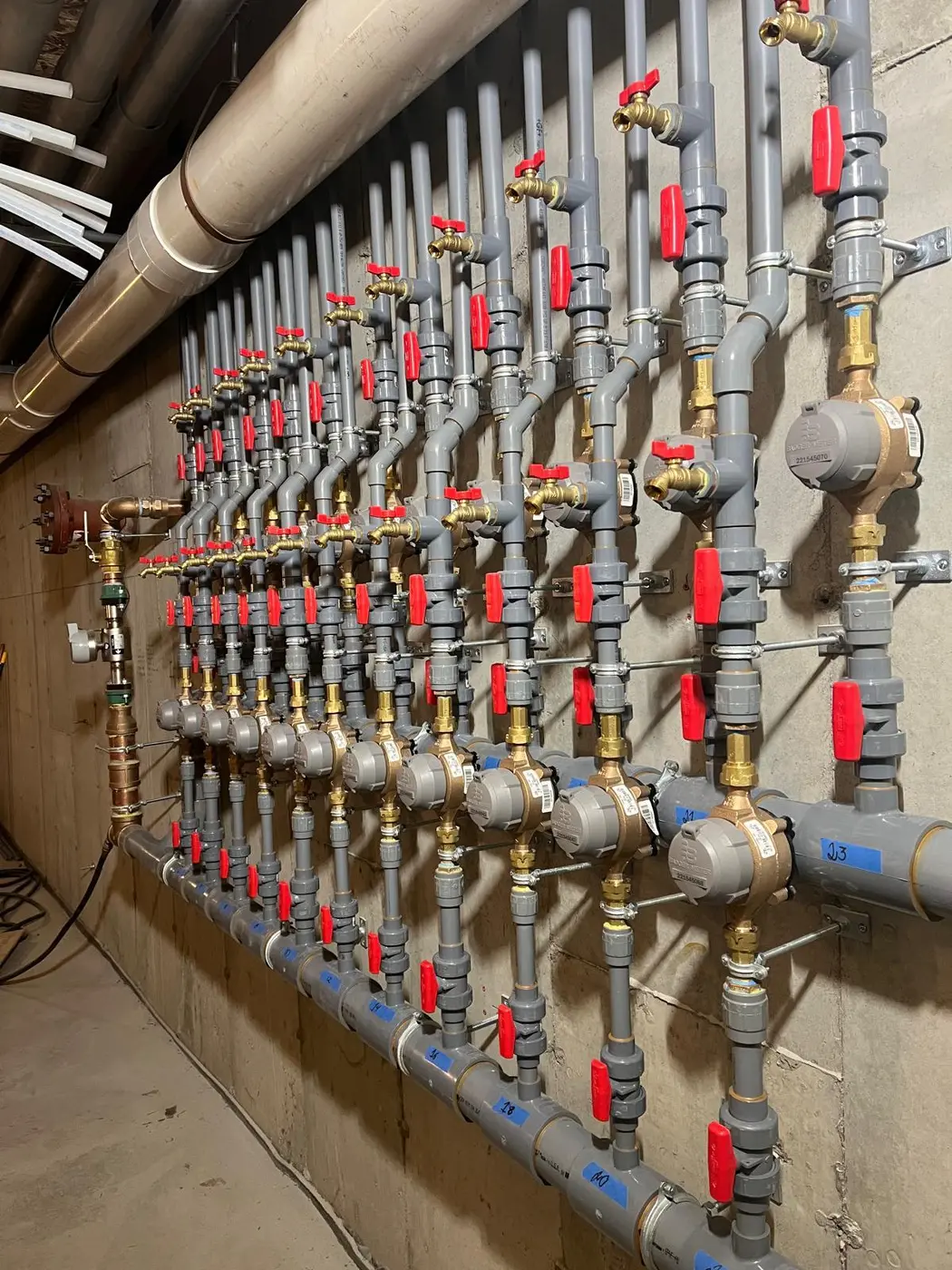
Much of Chandler was built in the 1990s and 2000s, in neighborhoods like Ocotillo, Fulton Ranch, Andersen Springs and Clemente Ranch. In most of those homes the water heater sits in the garage, and many families are already on their second or third tank. If yours is acting up, you are not alone.
This guide is about water heater repair in Chandler specifically: why tanks here wear out faster than the label suggests, what the common symptoms usually mean, which repairs make sense and what you can do so the next heater lasts longer. It is written from what we see every week in East Valley garages.
Why water heaters age faster in Chandler
Two things work against a Chandler water heater. The first is hard water. The water across the Valley carries a lot of dissolved minerals, and when it is heated, those minerals settle at the bottom of the tank as sediment. That layer makes the burner or element work harder, creates noise and slowly eats at the tank.
The second is heat. A garage in a Chandler summer can get far hotter than the inside of the house. The heater itself handles that, but valves, connectors, the gas control and the venting all age faster in that kind of heat. Put the two together and a tank that might last many years elsewhere can wear out sooner here.
How old is your water heater?
Before deciding anything, find out the age. The label on the side of the tank shows a serial number, and most manufacturers code the year and month of production into it. If you cannot read it, take a photo of the label and send it to a plumber.
As a rough rule, tank water heaters often last somewhere around 8 to 12 years, and hard water can shorten that. If your Chandler home was built in the late 1990s and still has the original tank, it is living on borrowed time. A newer tank with a problem is a much better candidate for repair.
What each symptom usually means
Popping, rumbling or crackling when the heater runs: sediment at the bottom of the tank. A flush can help if the tank is not too old.
Not enough hot water, or it runs out fast: on electric heaters, often a failed element or thermostat. On gas heaters, sediment or a burner problem. A broken dip tube can also mix cold water in too early.
No hot water at all: on gas, the pilot or the thermocouple; on electric, a tripped breaker, the high limit switch or an element.
Rusty or smelly hot water: the anode rod may be used up, or the inside of the tank is starting to rust.
Water on the floor: it matters where it comes from. A leak at a fitting, the drain valve or the relief valve can be repaired. Water coming from the tank body itself means the tank is done.
Repairs that are usually worth it
On a tank that is still in good shape, many parts can be replaced: the thermocouple or gas control on a gas heater, the elements and thermostats on an electric one, the temperature and pressure relief valve, the drain valve, the anode rod and the supply connectors.
These repairs are usually far less than a new heater and can add years of life, especially when combined with a flush to remove sediment. A plumber should explain which part failed and why, not just swap parts until it works.
When a repair stops making sense
If the tank itself is leaking, there is no repair: the steel has rusted through and it needs to be replaced. The same is true when the hot water stays rusty after a new anode, or when the heater is old and needs more than one expensive part.
Replacement is also a chance to rethink the setup. You can choose a different size, switch between gas and electric if the home allows it, or consider a tankless unit. Each has trade offs in cost, installation and maintenance, and the right answer depends on your household.
Gas heaters and the gas line
Many Chandler homes have gas water heaters. A new heater, especially a larger or tankless model, can need a bigger gas line or a different vent than the old one. That is part of doing the installation right, not an extra to skip.
Because we also install and repair gas lines, the line, the shutoff valve and the connection are handled in the same visit and pressure tested. If you smell gas near the heater at any point, leave the garage, do not touch any switches and call the gas utility from outside first.
When the heater runs all the time: check the slab
Here is a Chandler specific clue. If your water heater seems to run nonstop, the gas bill jumped, or you hear it refilling when nobody is using water, the problem may not be the heater at all. A leak on the hot water line under the slab sends hot water into the ground, and the heater keeps working to replace it.
Look for a warm spot on the tile floor and check the water meter with everything off. Many Chandler homes have copper lines under the floor that are now 20 to 30 years old, so slab leaks on the hot side are a common reason for a hardworking heater. We repair both, and close the floor afterward.
Making the next water heater last
Flush the tank once or twice a year to clear sediment. Have the anode rod checked every few years and replaced when it is worn. Keep the area around the heater clear so the burner gets air and any drip is easy to see.
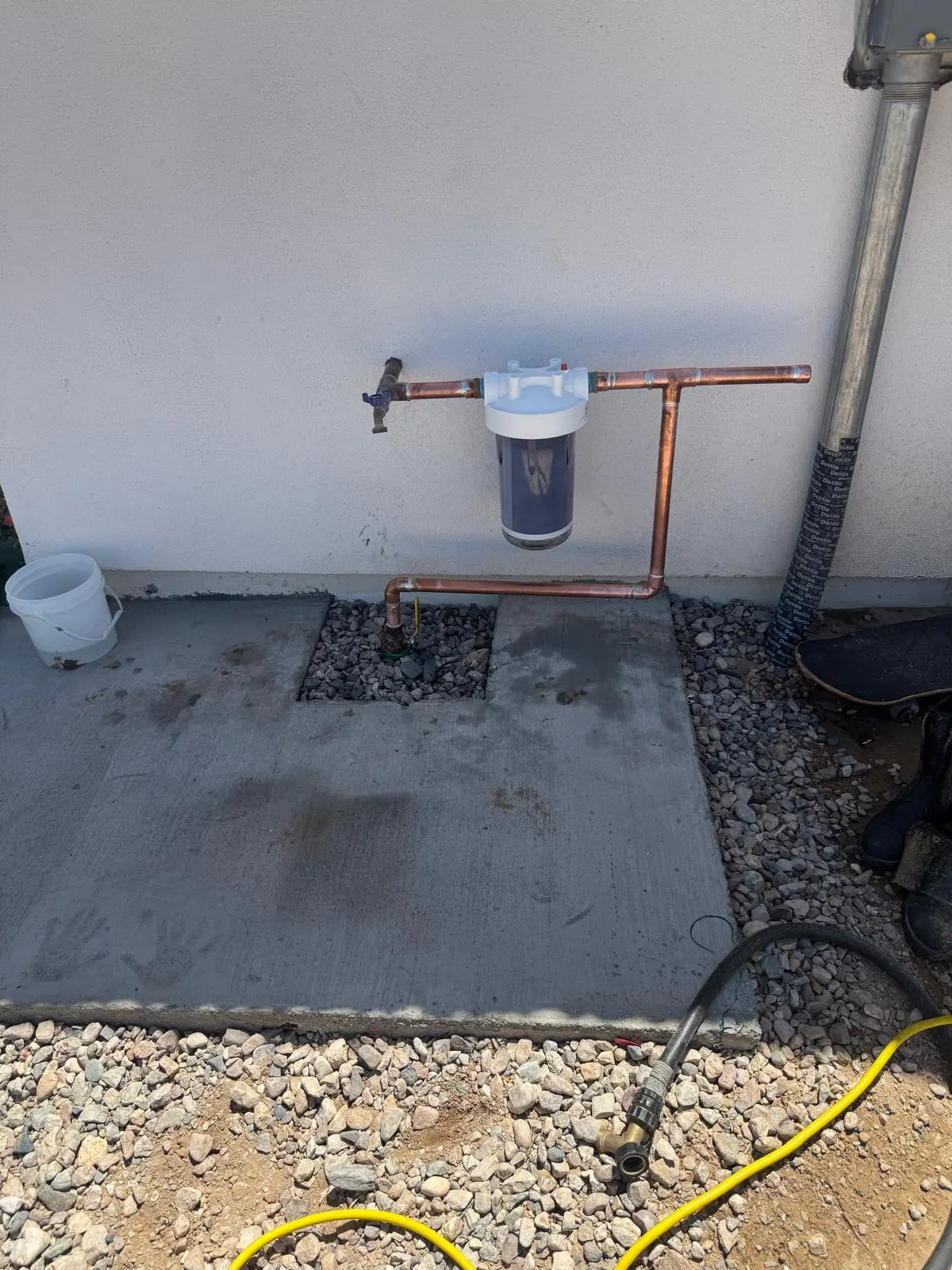
The biggest step against hard water is treating it before it reaches the heater. A filter on the main water line, like the copper installation in our gallery, reduces what reaches the fixtures and the tank. We install it so the cartridge is easy to change.