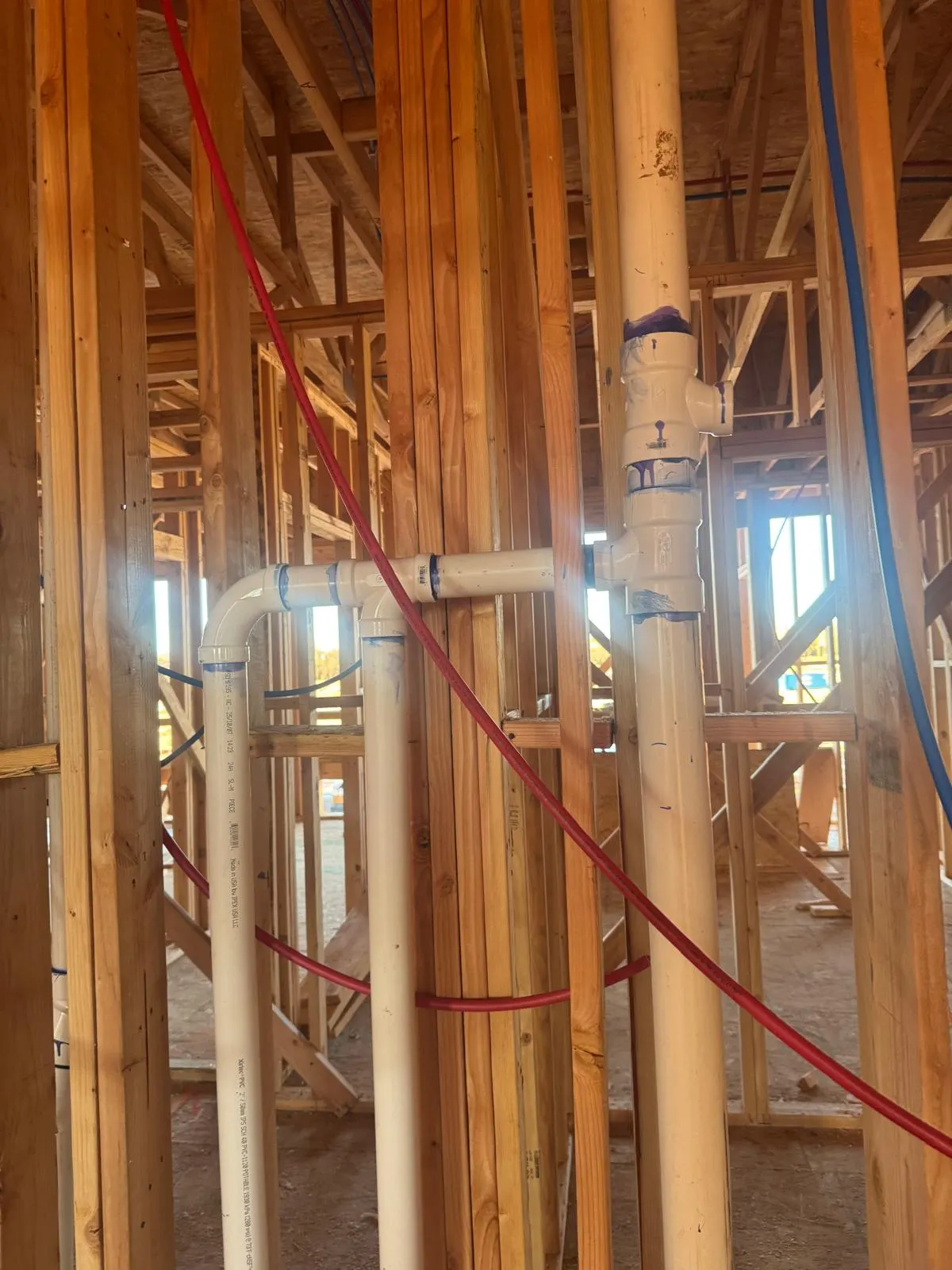
Mesa is one city with two very different sets of pipes. Around Downtown Mesa and the older streets near Main Street, many homes were built from the 1950s through the 1970s. Head east toward Red Mountain, Las Sendas, Superstition Springs and Eastmark, and the homes get newer, built with different materials and different weak spots.
When a plumbing company in Mesa comes to your door, the first useful question is how old the house is. The answer points to which problems are likely, which repairs make sense and which ones are a waste of money. This guide walks through both sides of the city so you know what to look for in your own home.
Why the age of your Mesa home matters
Plumbing materials changed a lot over the decades. Homes from the middle of the last century were usually built with galvanized steel supply pipe and cast iron drains. Later builders moved to copper, then to plastic supply lines, and today most new homes use PEX.
Each material fails in its own way. Galvanized pipe rusts and narrows from the inside. Cast iron cracks and scales. Some early plastic supply pipe breaks at the fittings. Knowing which one you have tells you whether a leak is a one time event or the first sign of a pattern.
Older homes near Downtown Mesa
In the older neighborhoods around downtown, the most common complaint is low water pressure that gets worse over the years. That is often galvanized supply pipe closing up with rust. You may also see brown water when a faucet first opens, or a leak at a threaded joint behind a wall.
Drains in these homes are often cast iron running under the slab. Over time the inside builds scale and the pipe can crack, which shows up as slow drains, a sewer smell or the same clog coming back. Clearing the line with an electric drain machine and then running an inspection camera through it shows whether the pipe is still sound or needs a section replaced.
In an older home, fixing one leak at a time can turn into an endless cycle. When the supply pipe is failing in several places, replacing it with PEX or copper is usually the more sensible long term repair.
Homes from the 1980s and 1990s out east
Moving east toward Red Mountain, Las Sendas and Superstition Springs, many homes were built in the 1980s and 1990s. Builders in that era often used polybutylene, a gray plastic supply pipe. It was cheap and easy to install, but it is known to fail at the fittings, sometimes all at once with no warning.
If you find gray plastic lines at the water heater, under the sinks or at the toilet supply, it is worth planning a replacement on your schedule instead of waiting for a fitting to let go while you are at work. We replace those lines with PEX or copper.
The newest homes, like Eastmark
Newer homes in places like Eastmark are usually plumbed with PEX, which handles the desert well. That does not mean they are problem free. Hard water still builds scale in the water heater, shower valves and faucet cartridges from the first year.
In new homes, the calls we get are often about water heaters filling with sediment, a toilet that runs, a shower valve that drips, or irrigation lines leaking under fresh landscaping. These are small repairs when caught early. Flushing the water heater and checking the yard for wet spots are the two habits that help most.
A quick walk through to identify your pipes
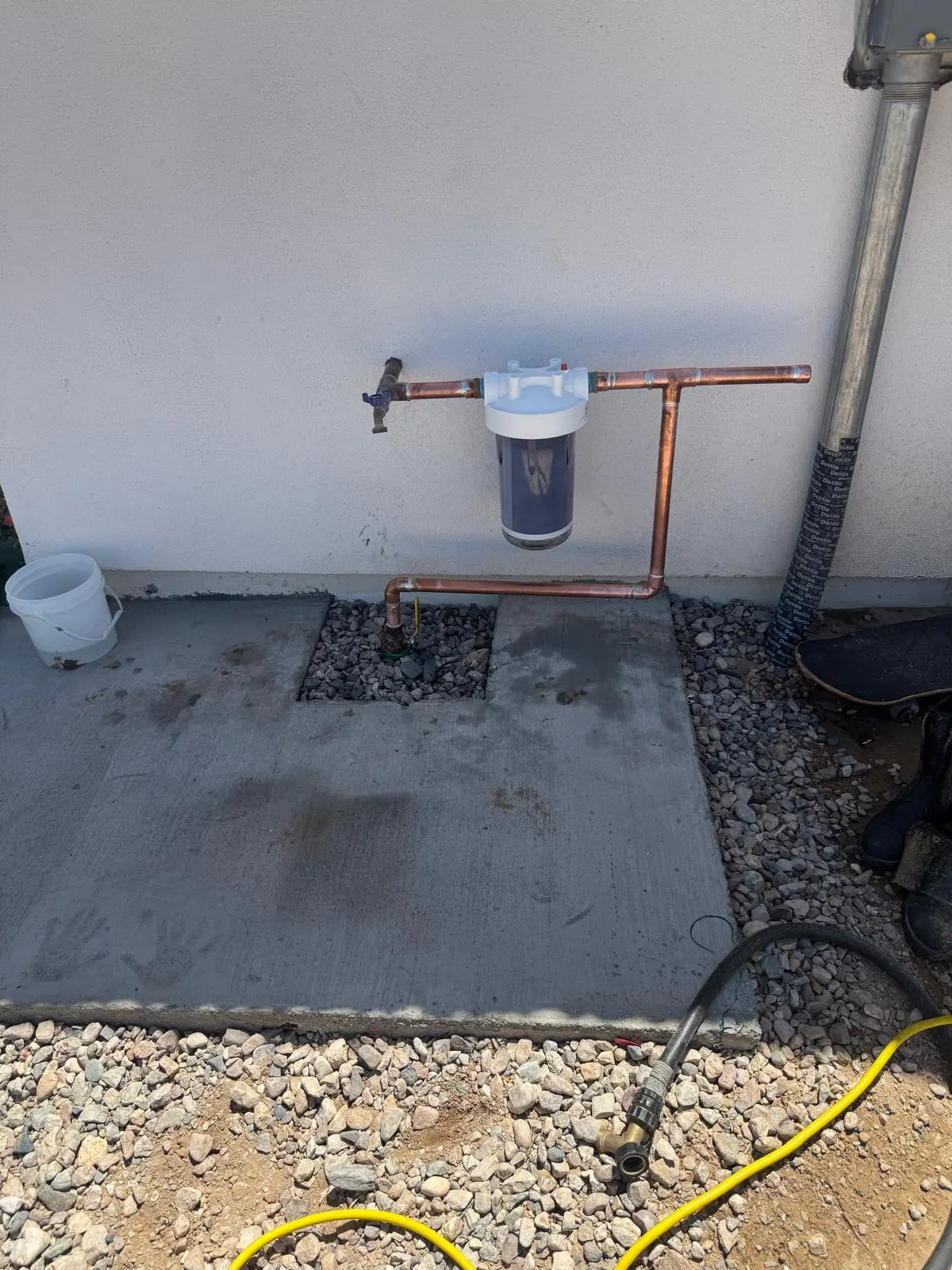
You can learn a lot in a few minutes. Start at the water heater and look at the pipes coming in and out. Gray dull metal with threaded joints is likely galvanized. Shiny or brown metal with soldered joints is copper. Gray plastic is likely polybutylene. Red, blue or white flexible plastic is usually PEX.
Then look under the kitchen and bathroom sinks and behind the toilets. Check where the main line enters the house, often near the front hose bib or in the garage. Take photos of what you see. If you are not sure, a plumber can usually identify the material from a photo sent by text.
Water heaters in Mesa garages
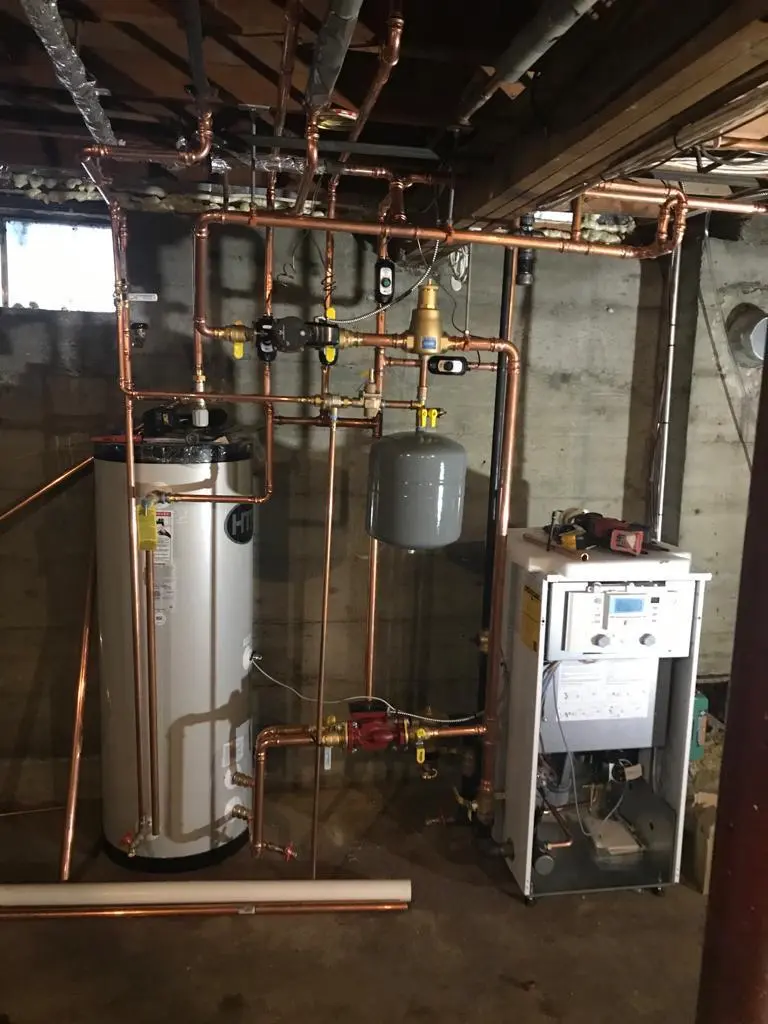
Whatever the age of the home, most Mesa water heaters sit in the garage, which gets extremely hot in summer. Add hard water and the tank fills with sediment faster than it would elsewhere. Popping or rumbling sounds, rusty hot water and a small puddle near the base are signs to call before the tank fails.
We repair and replace gas and electric water heaters, and if the gas line needs to be moved or resized for a new unit, we handle that in the same visit.
Fix it now, or fix it with the remodel
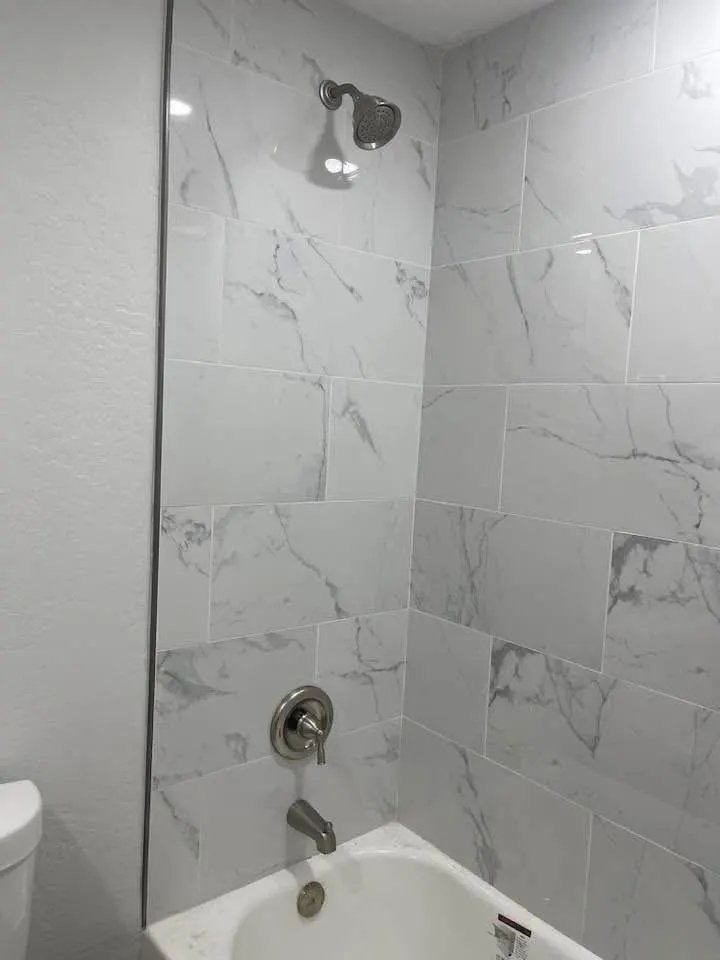
Many Mesa homes still have the original bathroom, with the old tub surround and the original valve inside the wall. If you are already thinking about remodeling, that is the best moment to replace the hidden plumbing, because the walls are open anyway.
Because Arturo is a plumber and a general contractor, the same company moves the drain, sets a new valve, tiles the walls and installs the fixtures. That avoids the common problem of covering old pipe with new tile and opening it again a few years later.
Choosing a plumbing company in Mesa
Ask how long the company has worked in the East Valley, whether it has seen homes like yours and whether it carries a drain machine and a camera. Ask if the estimate is free, and who will close any wall or floor opened during the repair.
Arturo's Plumbing Contractor General is based in Phoenix and serves Mesa 24 hours a day, 7 days a week, from Downtown Mesa and Dobson Ranch to Alta Mesa, Red Mountain and Eastmark. Arturo has 26 years in the Phoenix area, speaks English and Spanish, and gives free estimates on residential and commercial work.