A lot of Peoria is young. North of the Loop 101, communities like Vistancia and the area toward Lake Pleasant are still growing, and many homes in Fletcher Heights and Terramar went up in the 1990s and 2000s. People often assume a newer house means no plumbing worries for a long time. In our experience the problems are just different, and many of them are easy to catch early.
This guide walks through what Arturo checks in newer Peoria homes, how hard water quietly ages the water heater, and why the backyard deserves a plumber before the turf and pavers go down. Older parts of the city, like Old Town Peoria and Parkridge, come up at the end.
Newer does not mean problem free
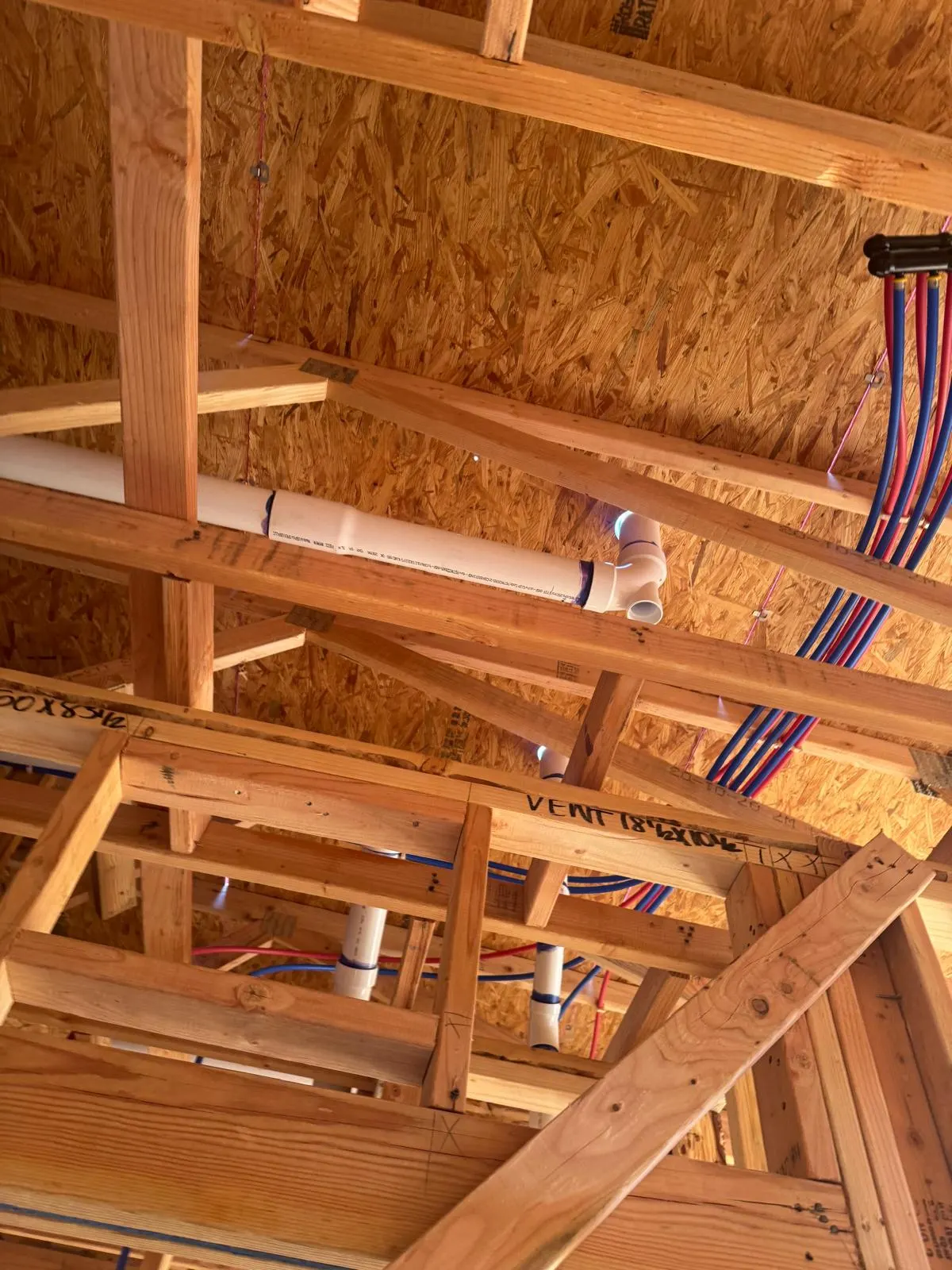
Modern homes are usually plumbed with PEX, a flexible plastic water line joined with crimp or expansion fittings. PEX is a good material, but a fitting that was not crimped correctly during a fast build can start to drip months or years later, often inside a wall or under a sink where nobody looks.
Other common findings in newer homes are a water heater installed without an expansion tank, a pressure regulator set too high, a toilet fill valve that never seated right and outdoor hose bibs that crack in the summer sun. None of these are expensive to fix early. Left alone, a slow drip inside a wall can damage drywall, cabinets and flooring before you notice.
Check your water pressure once in a while
High water pressure feels nice in the shower, but it is hard on everything else. It wears out valves, makes toilets run, shortens the life of the water heater and stresses every fitting in the house. Many homes have a pressure reducing valve near where the main line enters, and those valves can drift over time.
A simple gauge that screws onto a hose bib gives you a reading in seconds. Many plumbers like to see household pressure somewhere around 50 to 70 psi. If yours reads well above that, or the needle jumps when a toilet fills, it is worth having the regulator and expansion tank checked.
Hard water and your first water heater
Peoria shares the hard water of the rest of the Valley. When water is heated, the minerals drop out and settle at the bottom of the tank. Over time that layer of sediment makes the heater work harder, causes popping and rumbling sounds and wears out the bottom of the tank.
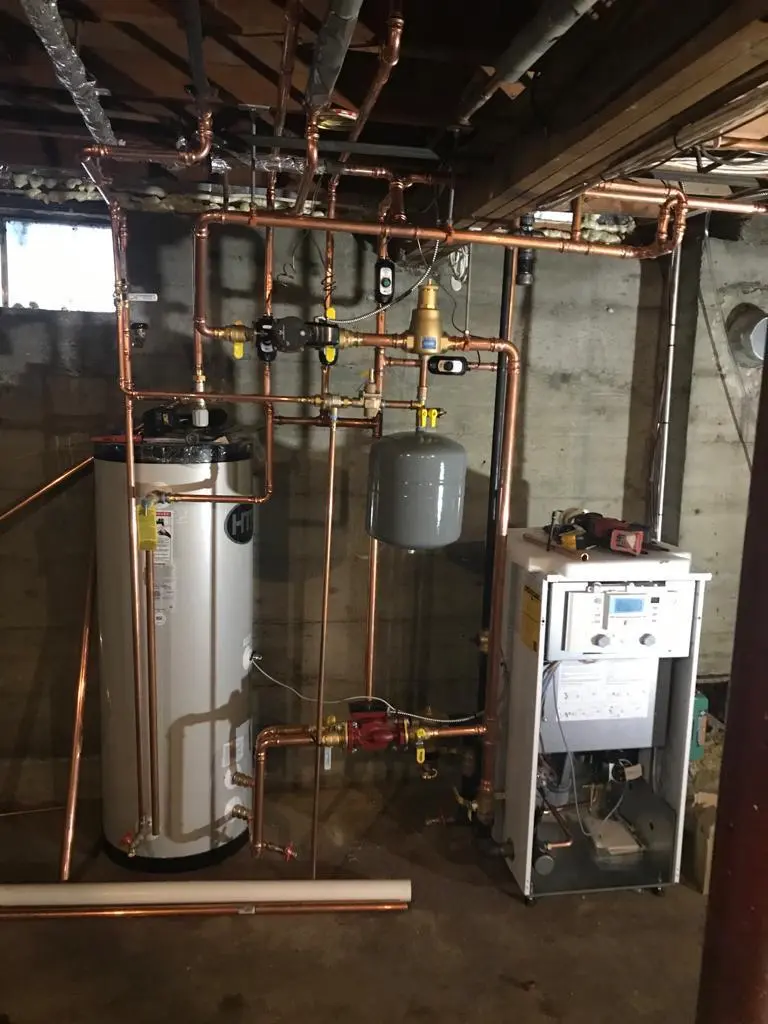
In many newer homes the original water heater is now the oldest appliance in the house. Flushing the tank about once a year helps, and so does checking the anode rod, the part that corrodes on purpose so the tank does not. Warning signs that a heater is near the end: rust colored hot water, moisture around the base, or hot water that runs out much faster than it used to.
If you do replace it, ask about the expansion tank, a drain pan and the gas or electrical connection at the same visit. We repair and install water heaters, and on gas units we also check the gas line feeding them.
Softener, filter or both
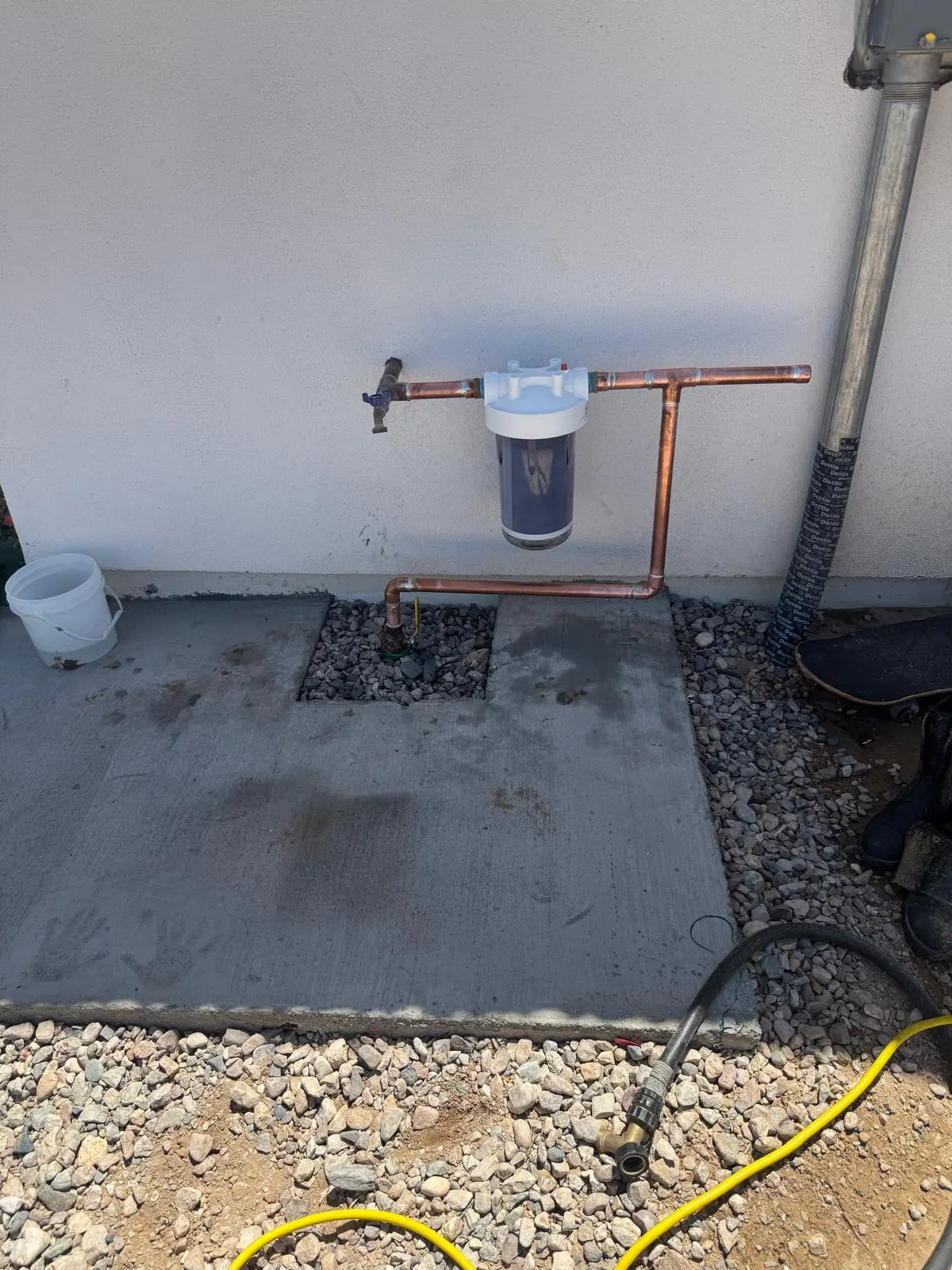
Many Peoria homes were built with a loop in the garage, a pair of pipes ready for a water softener. A softener is the most effective way to stop scale from forming in the heater and fixtures. A whole house filter does a different job: it removes sediment and improves taste and odor.
Whichever you choose, it should be installed with shutoff valves and a bypass so it can be serviced without cutting water to the whole house. If your home has a loop but nothing connected to it, that is a simple project we can handle.
Irrigation and the yard
Peoria homes often have big backyards with mountain views, and keeping them alive in the desert means drip lines, valves and timers. Drip fittings pop off, emitters clog with minerals and valves stick open, sometimes running all night without anyone noticing. A water bill that jumps in summer is often the yard, not the house.
Walk the yard while the system runs once a month. Look for puddles, geysers, dry plants on a line that should be wet and soggy ground that never dries. Fixing those early saves water and protects the foundation, because water pooling against a slab is never good news.
Planning turf and pavers? Do the plumbing first
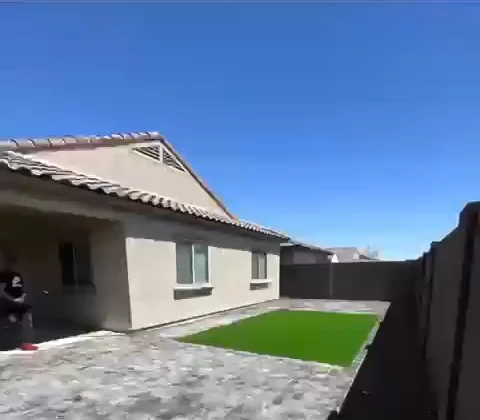
Artificial turf and pavers are a popular upgrade in Peoria because they cut water use and stay clean. The mistake we see is laying them over plumbing that should have been changed first. Once pavers are down, every irrigation leak or gas line change underneath gets more expensive.
Before installation, the old sprinkler heads under the future turf should be capped properly, the drip lines to trees and planters kept or rerouted, and any gas line for a grill, fire pit or outdoor kitchen run in place. Drainage matters too, so monsoon rain moves away from the house instead of under it.
Arturo does both sides of this job. As a plumber he handles the irrigation and gas lines, and his crew installs the turf and pavers, so one company is responsible for what is above and below the surface.
Older parts of Peoria
Old Town Peoria and areas like Parkridge and Westbrook Village have a wider range of home ages. There you may find copper water lines approaching the age when slab leaks start, original shutoff valves that no longer close fully and fixtures ready for replacement. The advice in our Glendale and Sun City guides applies to many of those homes as well.
If you are buying an older home in Peoria, a camera inspection of the sewer line and a look at the water heater, shutoff valves and visible supply lines before closing can save surprises. It costs far less to know what you are buying than to find out after moving in.