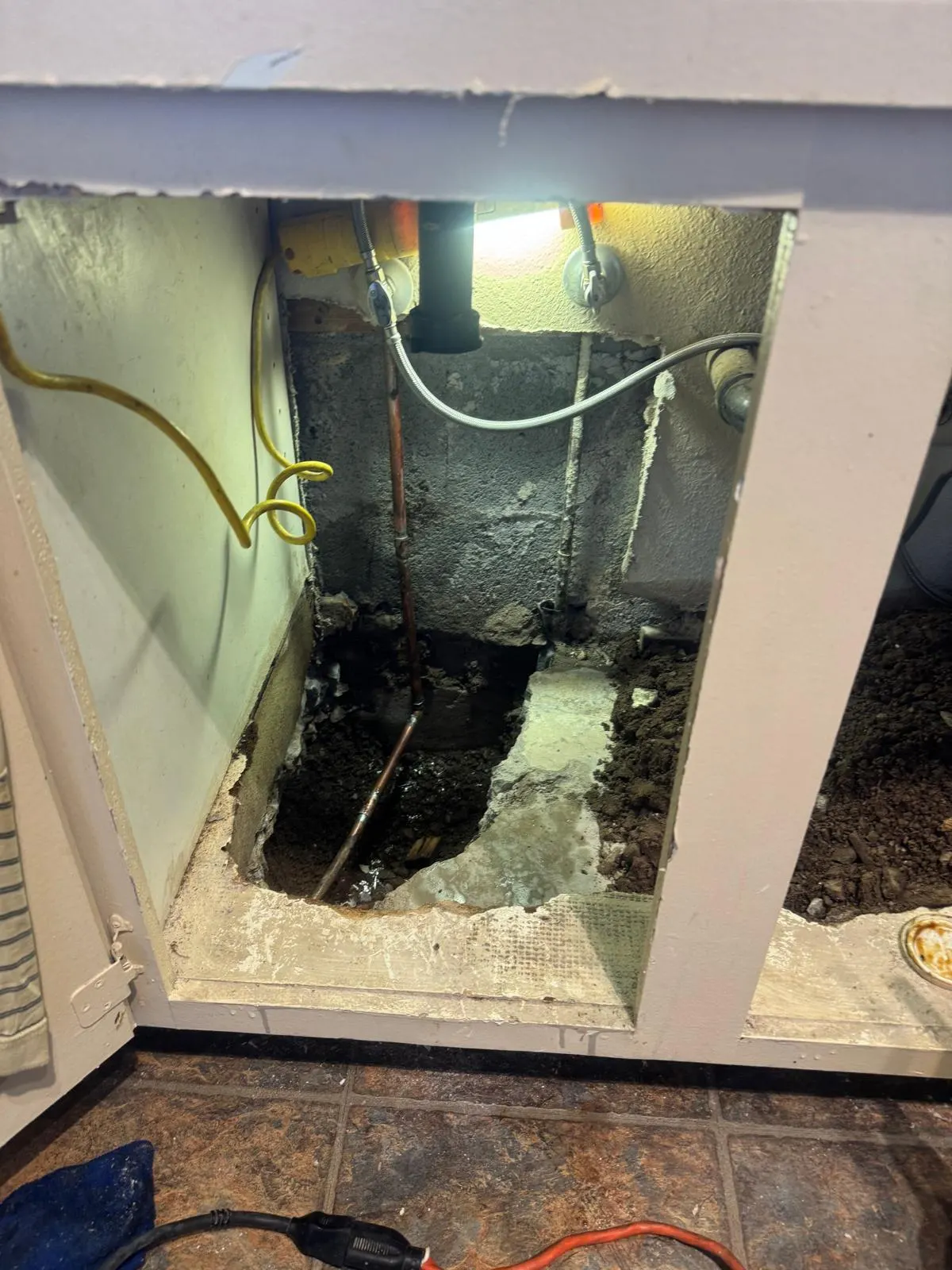
Plumbing emergencies rarely happen at a convenient time. A pipe bursts at night, a water heater lets go while you are at work, a toilet overflows right before guests arrive. Water moves fast, and every minute it keeps running it soaks deeper into drywall, cabinets, baseboards and flooring.
The good news is that most of the damage can be controlled in the first few minutes, before any plumber gets there. This guide walks you through what to do, in order, and how to tell a real emergency from a problem that can wait until morning. It is based on what Arturo has seen in more than 26 years of plumbing work around Phoenix.
What counts as a plumbing emergency?
A plumbing emergency is any problem where waiting makes the damage, the risk or the cost grow quickly. The most common ones are a burst or split pipe, water coming through a ceiling or wall, a water heater leaking from the tank, a toilet or drain that overflows and will not stop, sewage backing up into a tub or floor drain, a gas smell, and no water at all in the house.
Other problems are urgent but not emergencies: a dripping faucet, a running toilet, one slow drain, or a water heater that only gives lukewarm water. Those can usually wait for a scheduled visit, as long as the water is contained.
Step 1: Find your main shutoff before you need it
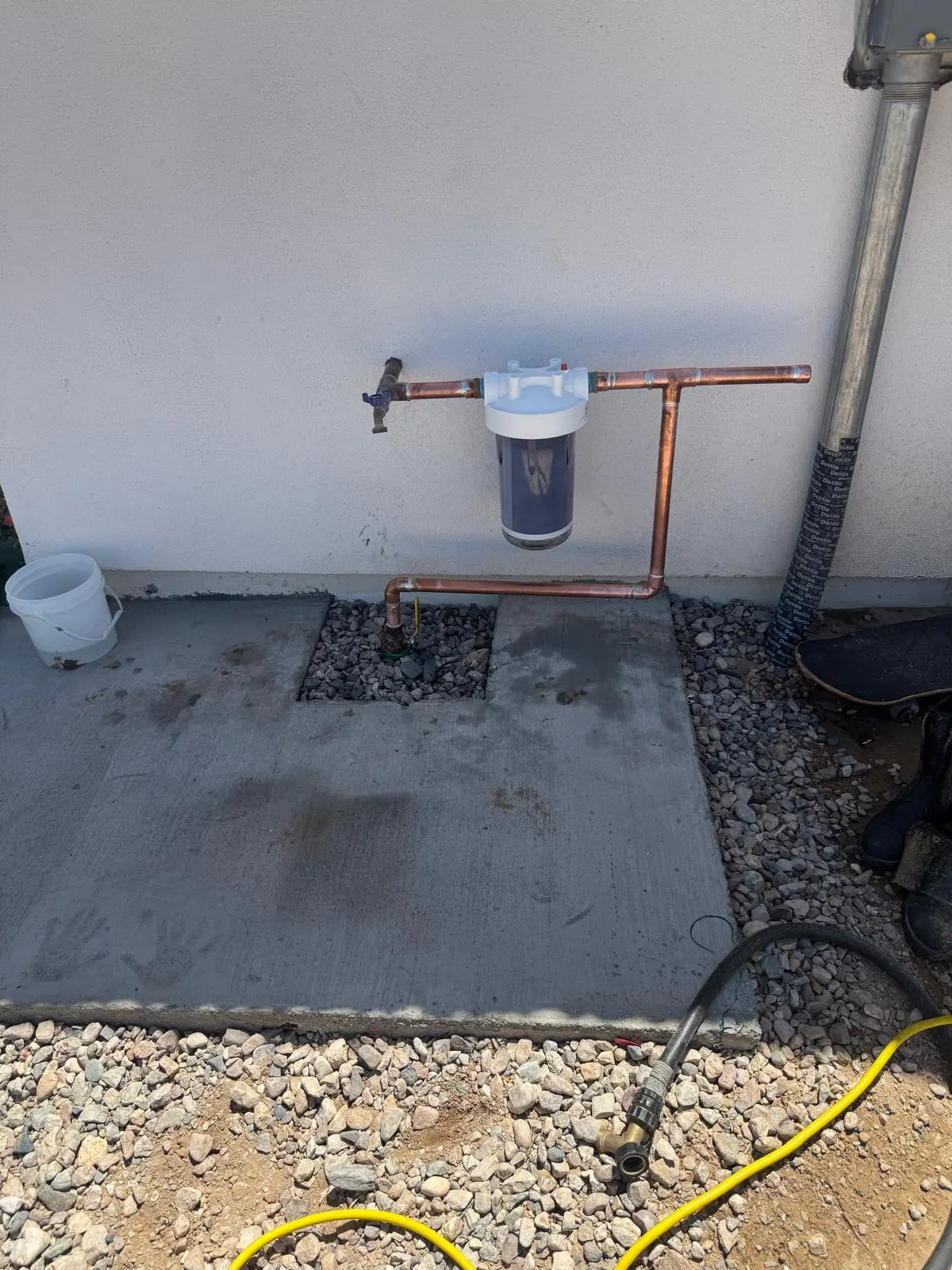
In most Phoenix area homes the main shutoff valve is where the water line enters the house, often on an outside wall near the front, in the garage near the water heater, or in a box near the street next to the meter. Find it today, before an emergency, and make sure everyone in the house knows where it is.
Test it gently. A valve that has not been touched in years may be stuck or may start leaking at the stem when you turn it. If it will not move or it drips, that is a cheap repair to schedule now instead of a problem to discover at midnight. If your home has a pressure regulator near the main valve, it is worth knowing where that is too.
Step 2: Stop the water at the closest valve
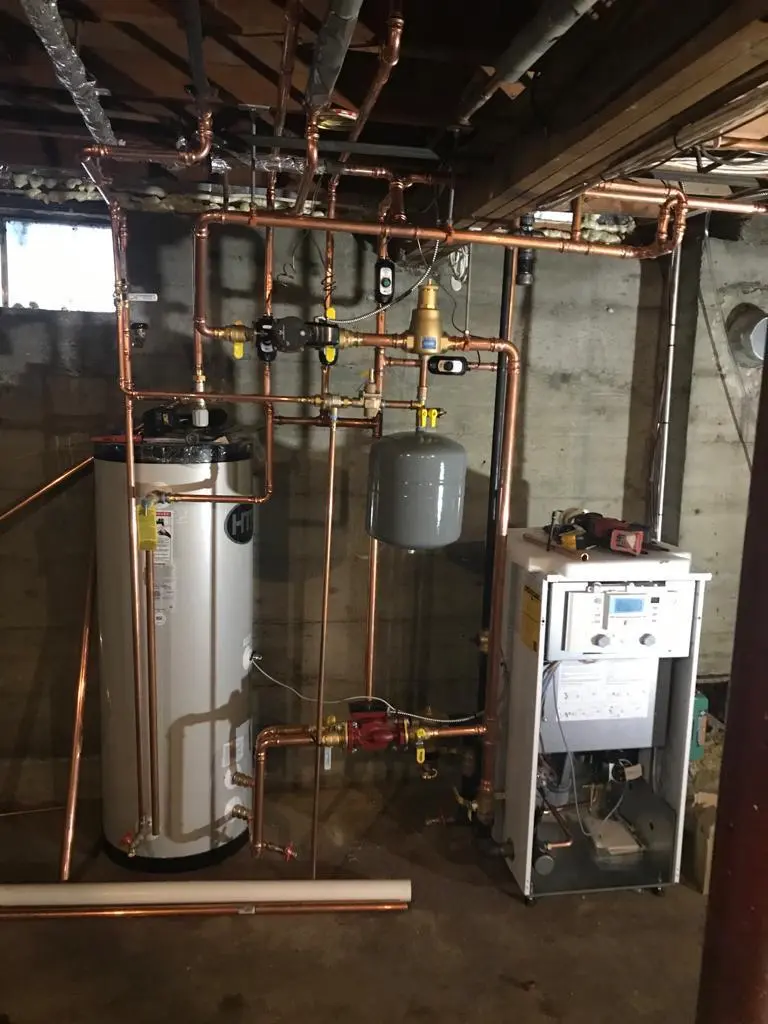
For a single fixture, use the small valve behind the toilet or under the sink and turn it clockwise. For a water heater, close the cold water valve on top of the tank, then turn the gas control to off or switch off the breaker for an electric unit. For a burst pipe, a leak in a wall or water coming from the ceiling, close the main shutoff for the whole house.
After the main is closed, open a faucet at the lowest point of the house and a tub spout to drain the pressure out of the lines. That slows the leak while you wait.
If water is near outlets, electrical panels or appliances, turn off the power to that area at the breaker panel before stepping in standing water. If you cannot reach the panel safely, stay out of the water.
Step 3: If you smell gas, get out first
A rotten egg smell inside the house is not a repair to start yourself. Leave immediately with everyone, including pets. Do not switch lights on or off, do not use the garage door opener and do not light anything. Call the gas company emergency number from outside, at a safe distance.
Once the utility says it is safe, a plumber can find and repair the leak, replace a bad connector on a range, dryer or water heater, and pressure test the gas line before it goes back into service.
Step 4: Overflowing toilets and sewer backups
If a toilet is about to overflow, lift the tank lid and push the flapper down, then close the valve behind the toilet. Do not flush again. If water or sewage comes up in a tub or shower when you flush or run the washer, the main sewer line is likely blocked. Stop using water in the whole house until it is cleared, because every flush adds more to the backup.
Sewage carries bacteria. Keep kids and pets away, wear gloves and boots, and do not try to clear a main line with store bought chemicals. A main line blockage needs a drain machine from the cleanout, and often a camera inspection to see whether roots or a broken pipe caused it.
Step 5: Limit the damage
Move furniture, rugs and electronics out of the water. Open cabinet doors under a leaking sink so they can dry. Use towels, buckets and a wet vacuum if you have one. Put aluminum foil or plastic under furniture legs on wet carpet so the wood does not stain it.
Take photos and short videos of the damage and of the source before anything is cleaned. That record helps the plumber, and it can help if you file an insurance claim. Running fans and opening windows (when the weather allows) starts the drying process, which matters because hidden moisture is what leads to mold.
Step 6: Call and describe what you see
When you call an emergency plumber, give clear details: what is leaking, where it is, how much water, whether the valve is closed, and whether there is power or gas involved. A photo or short video by text helps the plumber come prepared with the right parts, which can save a second trip.
Ask what the visit will include and whether the estimate is free before work starts. If you prefer to speak Spanish, ask for it. At Arturo's Plumbing Contractor General we answer in English or Spanish.
After the emergency: fix the cause and close up
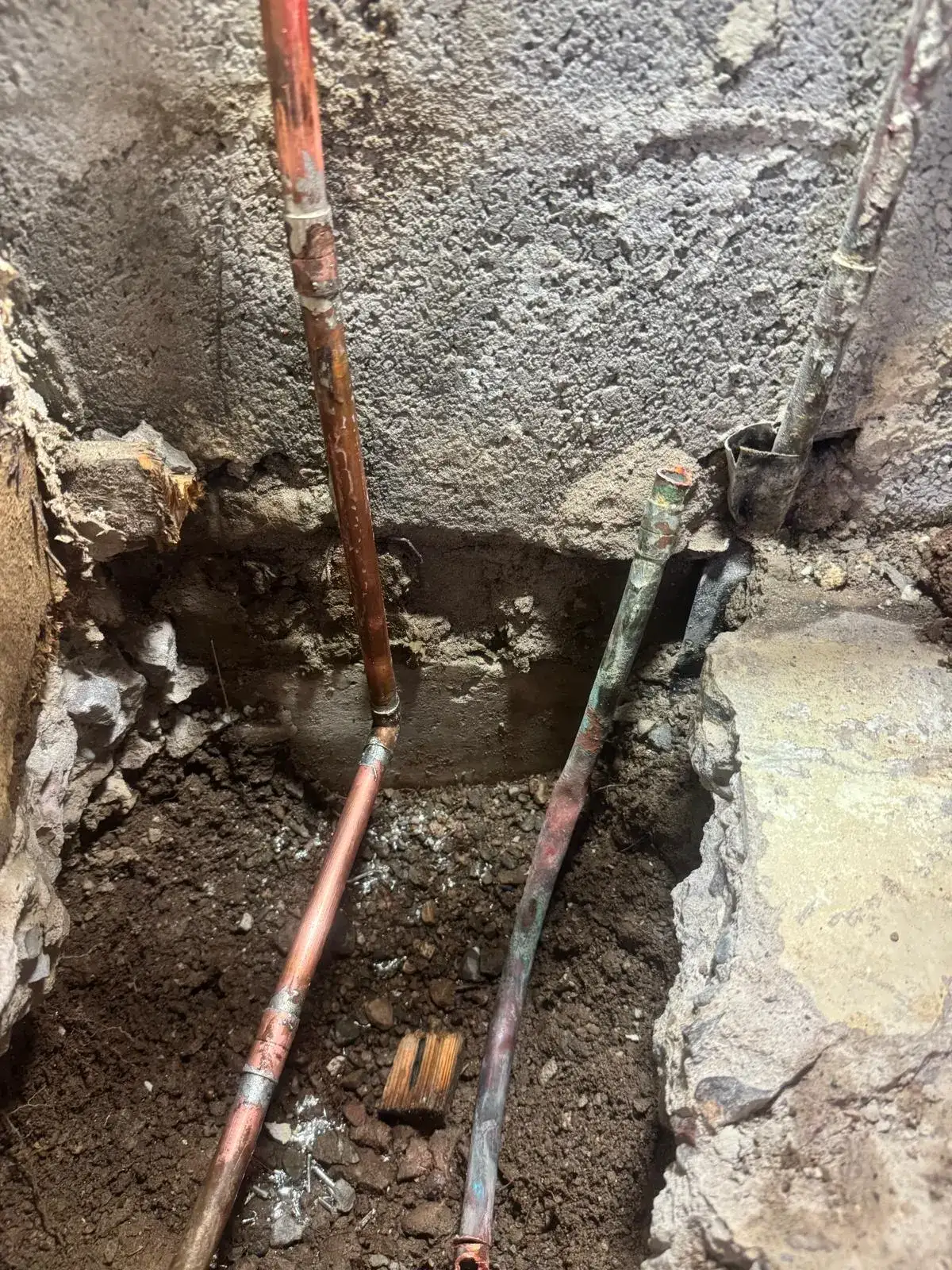
Stopping the leak is only half the job. Ask the plumber why it happened. A burst line in a slab home can point to a slab leak, a failed water heater may mean the others of the same age deserve a look, and repeated backups usually mean a root or a belly in the sewer line that a camera can confirm.
Then comes the repair to the house: opened drywall, damaged baseboards, a cut floor or a stained ceiling. Because Arturo is a plumber and a general contractor, we can make the plumbing repair and then patch, tile and paint, so you are not coordinating three different companies after an already stressful day.