Two kinds of water pipe show up again and again in older homes around the Valley. Galvanized steel is common in homes from roughly the 1950s through the early 1970s. Polybutylene, a gray plastic pipe, was used widely in homes built from the late 1970s into the mid 1990s. Both are known for failing with age, and both are worth replacing before they cause water damage.
This guide explains how to recognize each one, why they fail, the difference between a partial replacement and a full repipe, and what the work looks like inside a slab home in Phoenix, Mesa, Scottsdale or Sun City. It is the same conversation Arturo has with homeowners at the kitchen table before any wall is opened.
How to recognize polybutylene pipe
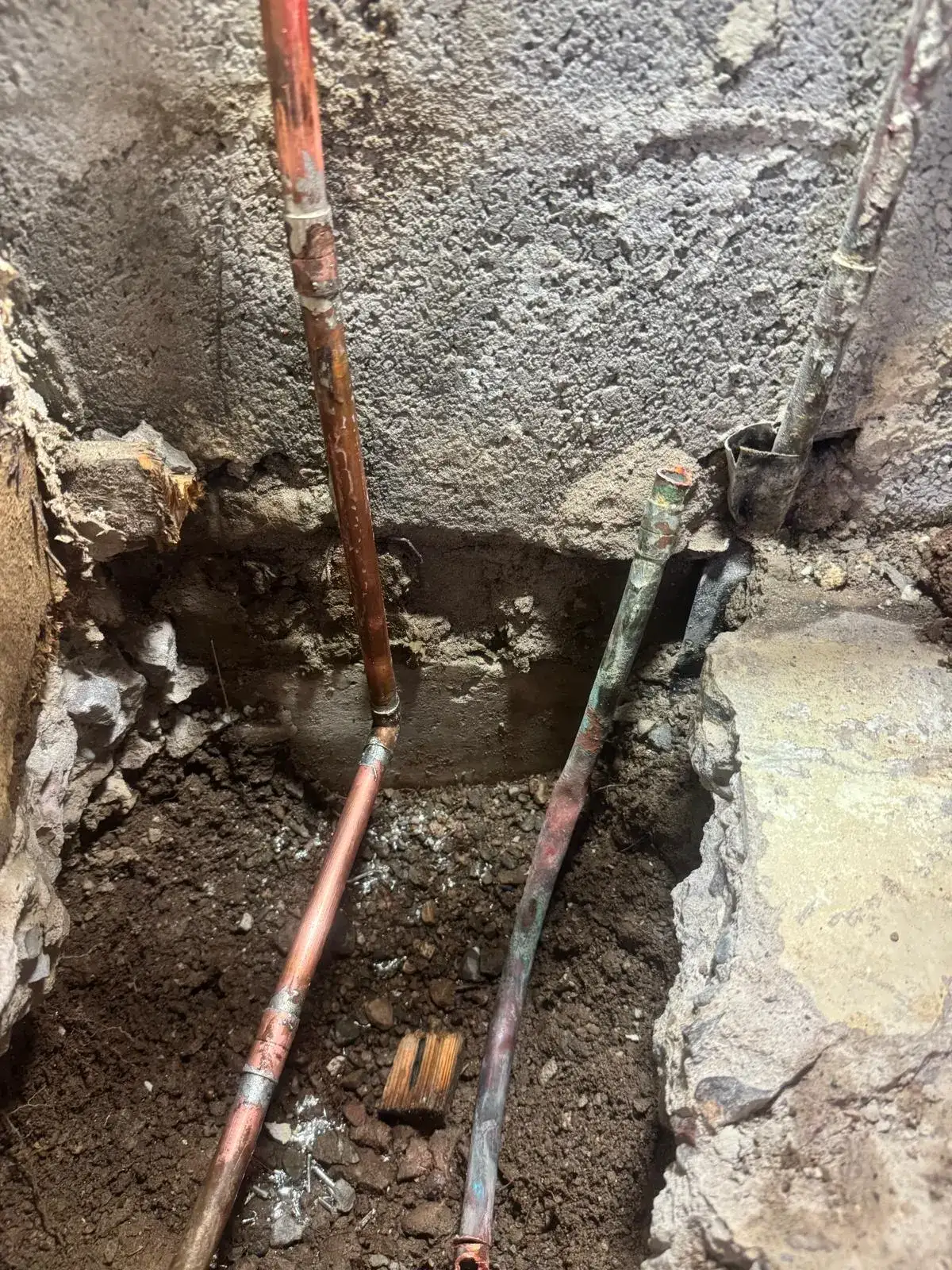
Polybutylene is a flexible plastic pipe, usually gray inside the house, sometimes blue or black where it enters from outside. It is often stamped with the code PB2110 along its side. It is joined with crimp rings, either copper or aluminum, and plastic or metal fittings.
Good places to look are the water heater connections, under kitchen and bathroom sinks, behind the toilet and near the main shutoff where the water line enters the house. Keep in mind that a short piece of copper at a fixture does not mean the whole house is copper. Many polybutylene systems were stubbed out with copper at the wall, so the plastic is hidden just behind the drywall.
How to recognize galvanized pipe
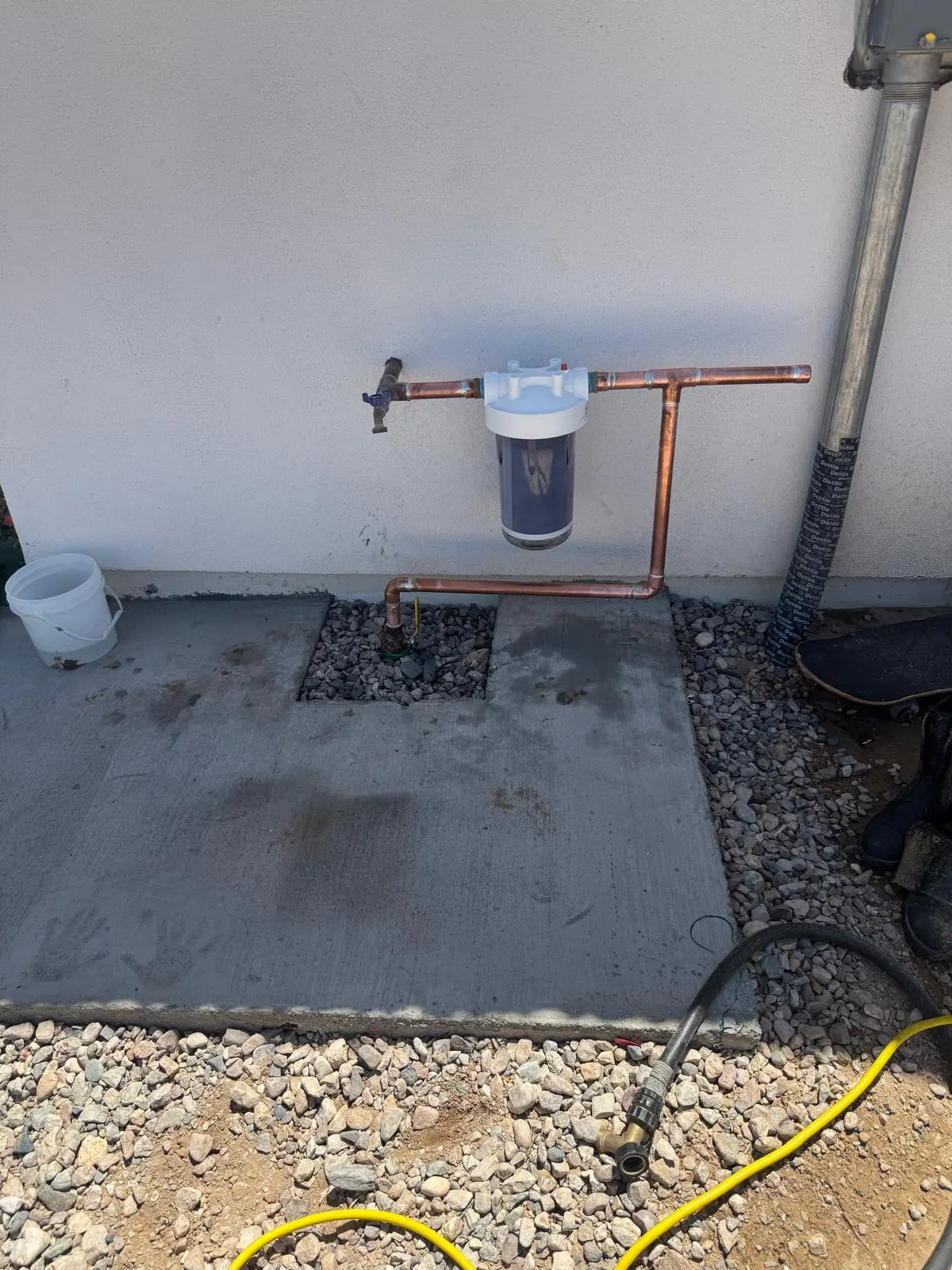
Galvanized pipe is gray or dull silver steel with threaded joints. You often see it coming out of the wall under sinks, at the water heater or above ground near the main shutoff. A magnet sticks firmly to it, which is a quick way to tell it apart from copper or plastic.
Other signs are low water pressure that has gotten worse over the years, rusty or brown water when a faucet first opens, and pressure that is good at one fixture but weak at another. In a home of that age, those clues usually point to galvanized lines that are narrowing on the inside.
Why polybutylene and galvanized pipe fail
Galvanized pipe rusts from the inside out. Over decades the rust, combined with the mineral scale from the hard water we have in the Valley, narrows the pipe until pressure drops, the water runs brown, and eventually the pipe leaks at the threads where the wall is thinnest.
Polybutylene has a different problem. The plastic can become brittle with age and react with the chemicals used to treat drinking water, and its fittings are known to crack or let go suddenly. A polybutylene failure often happens without warning and can release a lot of water quickly, often inside a wall, a ceiling or an attic.
Partial replacement or full repipe?
A partial replacement swaps the worst sections first, for example the lines at the water heater, a run that already leaked, or the pipe feeding one bathroom. It can make sense when the rest of the system is in better shape or when the budget needs to be spread out.
A full repipe replaces every water supply line in the house, from the main shutoff to each fixture. With polybutylene, most homeowners choose a full repipe, because the same material and the same fittings are everywhere and a repair in one spot does not stop the next one. With galvanized pipe, a full repipe is usually the only way to get the pressure back, since the narrowing is throughout the system. We look at the lines, the age of the home and your plans before recommending either one.
PEX or copper: choosing the new pipe
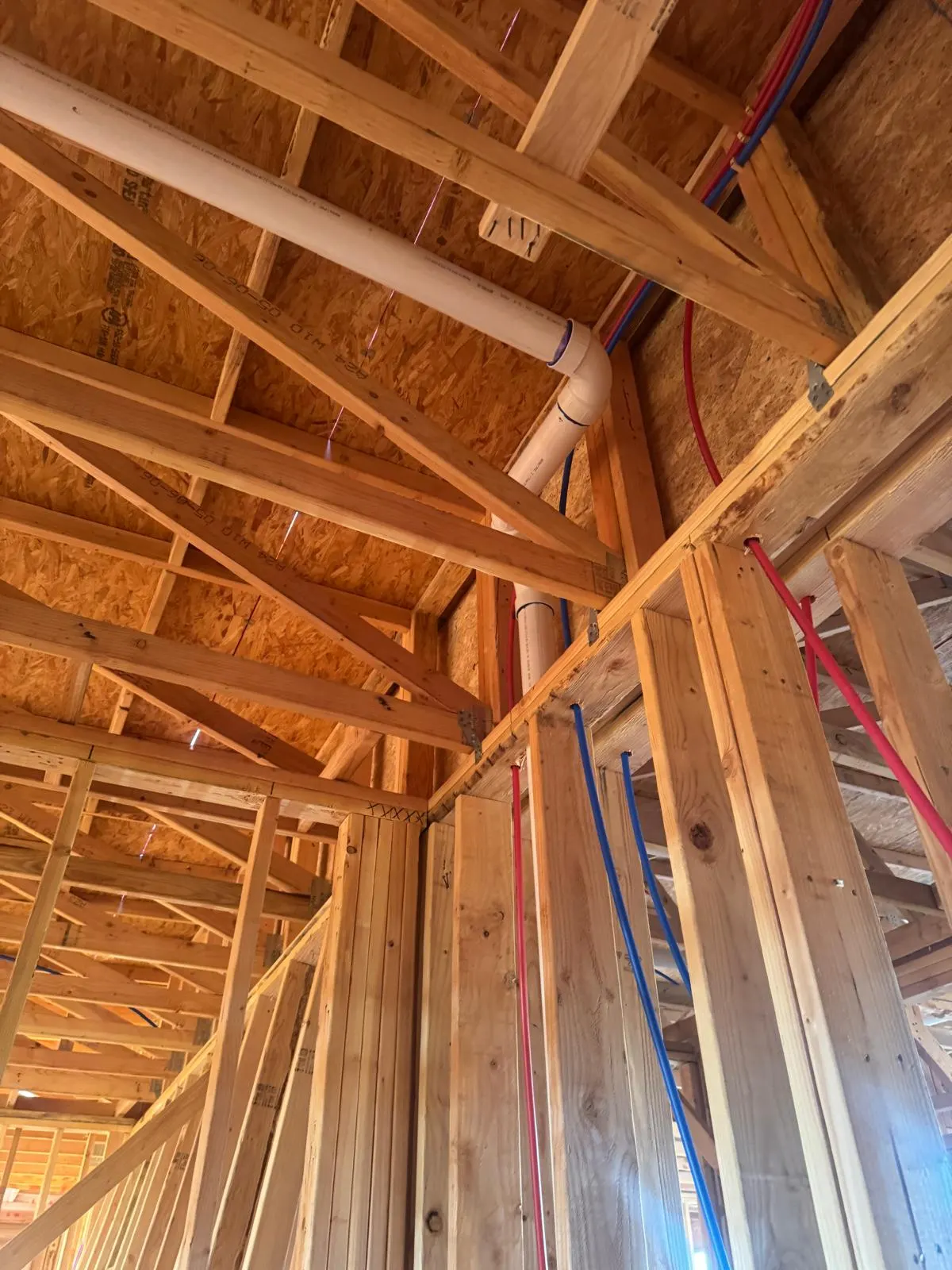
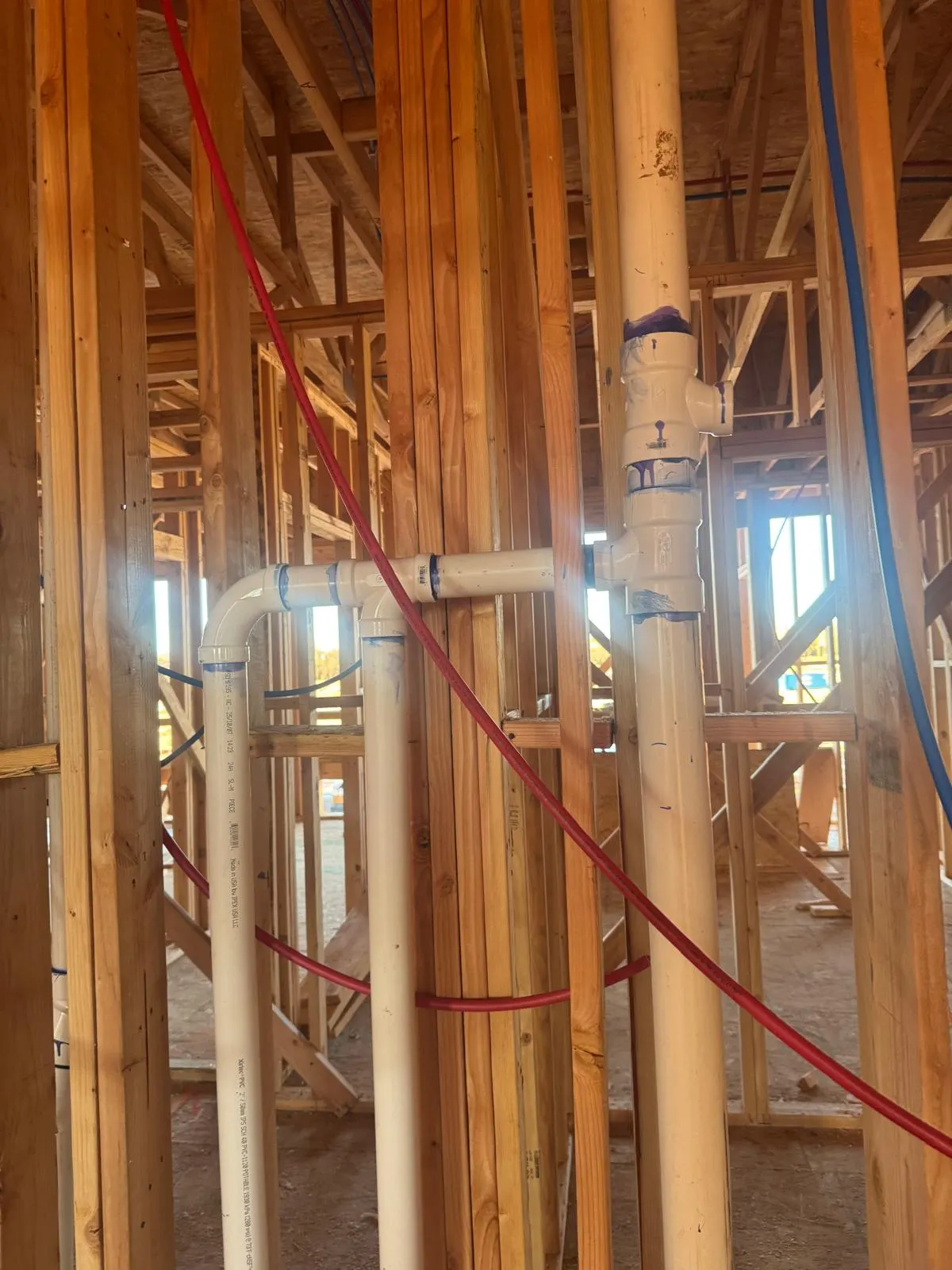
PEX is the most common choice for polybutylene pipe replacement today. It is flexible, resists the scale buildup that hard water causes, and can be routed through walls and attics with fewer fittings and smaller openings, like the PEX lines in our new construction photos. Fewer fittings also means fewer places for a future leak.
Copper is the traditional option. It is very durable, handles heat well and is still preferred by some homeowners. It takes more time to install and usually needs more wall openings. Both are good materials when installed correctly, and we explain the trade offs for your house before you decide.
What a repipe looks like, step by step
First, the plumber walks the house, finds where the main line enters and plans the route for the new lines. In most Phoenix area slab homes the old lines run through the slab or the attic, and the new lines are usually rerouted through the attic and down the walls instead of under the concrete.
Then furniture near the work areas is covered, small sections of drywall are opened at each fixture, the new lines are run and connected, new shutoff valves go in at sinks and toilets, and the system is pressure tested before the walls are closed. In many homes the water is off only during part of the day, and you have running water at night. The exact timeline depends on the size of the house and the number of bathrooms.
Closing the walls and finishing the job
Every repipe leaves openings in the drywall, and this is where many projects stall. Some plumbers leave the holes for the homeowner to hire someone else. Before you sign, ask whether patching, texture and paint are included.
As a plumber and general contractor, Arturo's team patches, textures and paints those openings as part of the job, so the house looks the way it did before, with new pipe behind the walls. If a section of tile has to be opened, we can replace that tile too.
Signs you should not wait
Replace sooner rather than later if you have had more than one leak in the past few years, if you see water stains on ceilings below bathrooms, if a fitting on the water heater looks discolored or cracked, or if your water pressure keeps dropping. Selling or buying a home is another common trigger, since inspectors often flag both pipe types and some insurers and buyers ask about them.