Plumbing emergencies in Scottsdale have their own shape. Homes in the north, like McCormick Ranch, Gainey Ranch, DC Ranch and Grayhawk, tend to be larger, with more bathrooms, recirculating hot water and outdoor kitchens on gas. Homes in South Scottsdale and around Old Town are often older, with original valves that may not close when you need them.
This guide covers what to do in the first few minutes, before an emergency plumber in Scottsdale arrives: how to tell a real emergency from one that can wait until morning, where to shut things off in a large home, what to do about gas, and how to handle the leak nobody saw because the house was empty for the summer.
Is it a real emergency?
Call right away, at any hour, if water is running and you cannot stop it, if a ceiling is bulging or dripping, if sewage is coming up into a tub or shower, if you smell gas, or if there is no water at all in the house.
Some problems feel urgent but can wait for daylight once the water is off: a single toilet that is clogged while others work, a dripping faucet, or a water heater that stopped making hot water but is not leaking. Closing the right valve often turns an emergency into a morning appointment.
Shutting off water in a large home
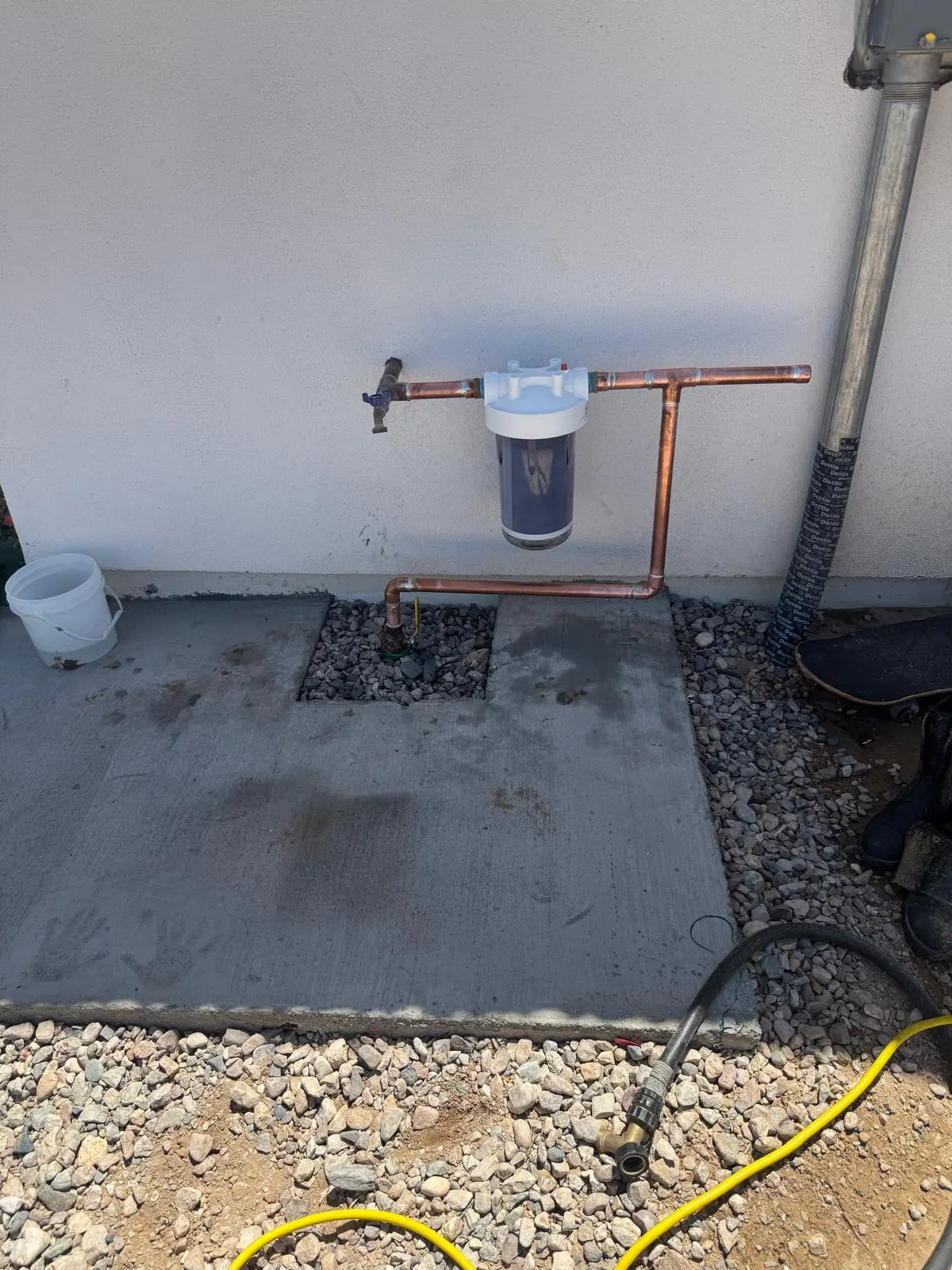
The main shutoff is usually where the water line enters the house, often near the front hose bib, in the garage or near the water heater. In a larger home it can be harder to find, so locate it now, before you need it, and make sure everyone in the house knows where it is.
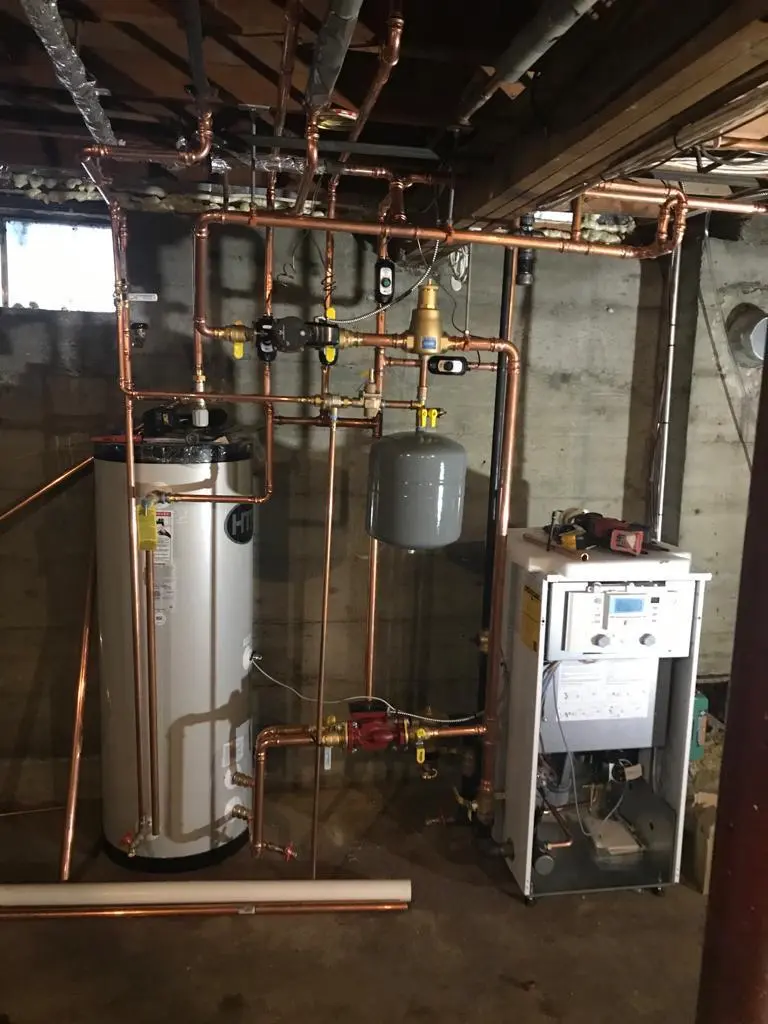
Every sink and toilet also has its own small valve underneath. Close the closest one first if the leak is at a fixture. If the home has a recirculating hot water system, there is often a small pump near the water heater; switching it off while the water is shut stops it from running dry.
In older homes in South Scottsdale, the original valves can be stiff or seized after years of hard water. Do not force a valve until it breaks. If it will not turn, go to the main. When the emergency is over, replacing old shutoffs is a small job that makes the next one much easier.
If you smell gas
Many Scottsdale homes run gas to more than the stove and water heater: built in grills, fire pits, patio heaters and pool heaters. Any of those lines can leak, and the smell may first show up outside.
If you smell gas, leave the house or the backyard, keep people and pets away, and do not turn lights, appliances or the grill on or off. From a safe distance, call the gas utility or 911. Once the area is declared safe, a plumber can find the leaking line, repair it and pressure test it before the gas is turned back on. We install and repair gas lines, including outdoor runs with their own shutoff.
The leak nobody saw: homes empty for the summer
A good number of Scottsdale homes are seasonal or second homes, and some sit empty through the hottest months. A small drip in a house where nobody is home can run for weeks. By the time someone notices, the cabinet floor, drywall or tile may be soaked.
If you come back and find water, close the main first. Then take photos before you clean anything, because you may need them later. Open windows if it is safe, move rugs and furniture out of the wet area and call a plumber to find the source. A spinning water meter with everything off means the leak is still active, possibly under the slab or inside a wall.
Before you leave for the season
The best emergency is the one that never happens. Before leaving a Scottsdale home for weeks or months, close the main water shutoff if the home allows it, and ask your irrigation or pool company how to keep those running if they are on the same line.
Set the water heater to vacation mode or turn it down. Check under every sink for old supply hoses and replace any that are cracked or bulging. Make sure the toilets are not running. If someone can check on the house once in a while, ask them to look under sinks and at the base of the water heater.
Monsoon storms and drains
Summer monsoon storms bring sudden heavy rain. In Scottsdale that can mean water coming in around roof penetrations, yard drains that cannot keep up and a sewer cleanout that overflows if the main line is already partly blocked.
After a big storm, check ceilings for new stains, walk the yard for standing water near the house and look at the cleanout cap. If a drain in the house gurgles or backs up during heavy rain, the main line should be cleared and checked with a camera before the next storm.
What to tell the emergency plumber
A clear description saves time. Say where the water is coming from, whether you were able to shut it off, how long it has been running and whether anything electrical is wet. Mention if it is a gas smell, a sewage backup or a water heater problem. A photo or short video sent by text helps a lot.
You will be talking directly with Arturo, in English or Spanish, at any hour. He will tell you what to do while you wait and what to expect when he arrives, and the estimate is free.
After the emergency: closing it up
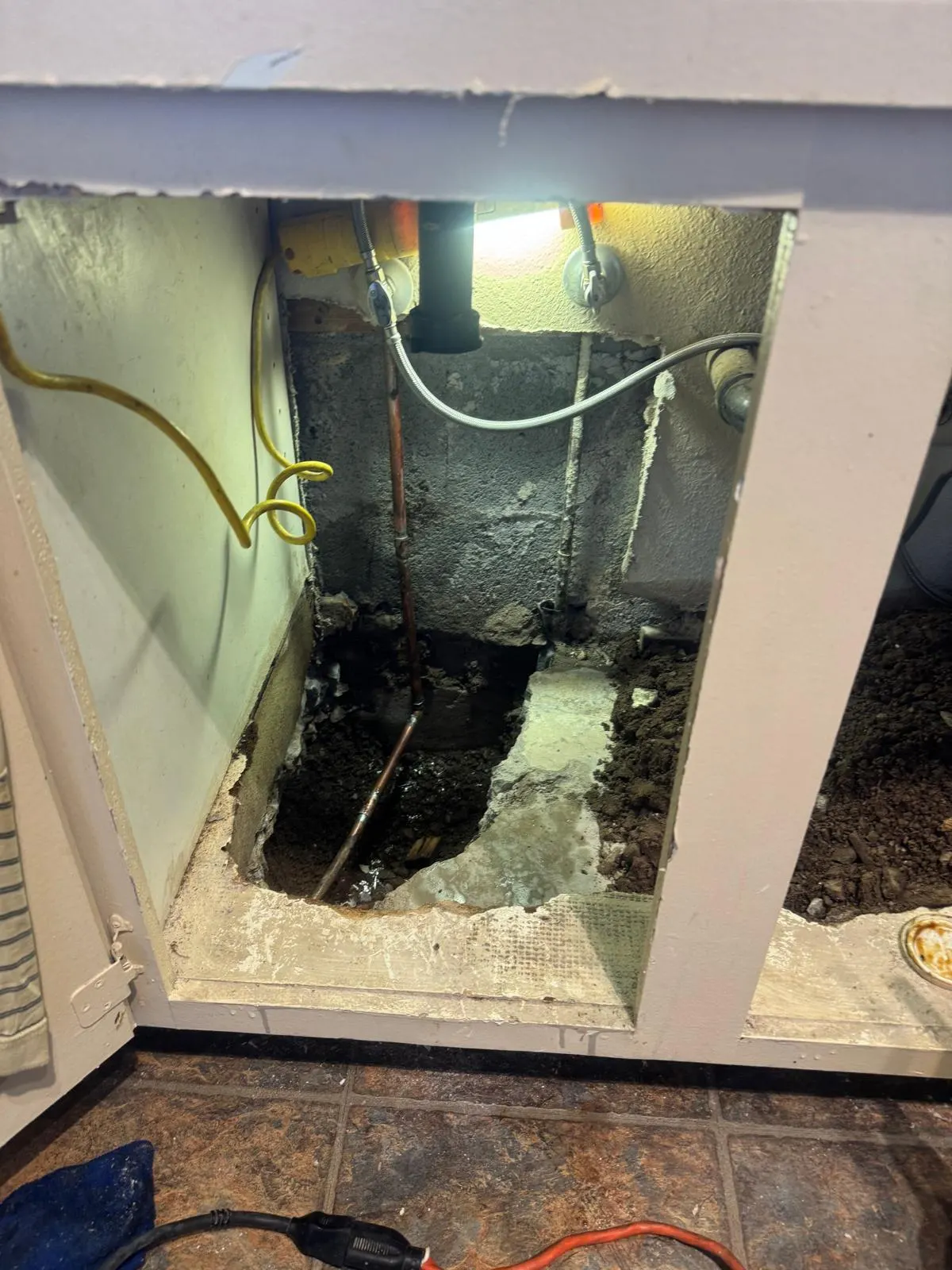
Emergency repairs often leave something behind: a hole in the drywall, a cut in the tile floor or a section of yard dug open. In Scottsdale homes with fine finishes, that second part matters as much as the pipe.
Because Arturo is also a general contractor, the same company that stops the leak can patch the wall, set matching tile, paint and put pavers or turf back. If the emergency shows the plumbing is aging, it is also a good time to talk about replacing the old lines or valves while things are already open.