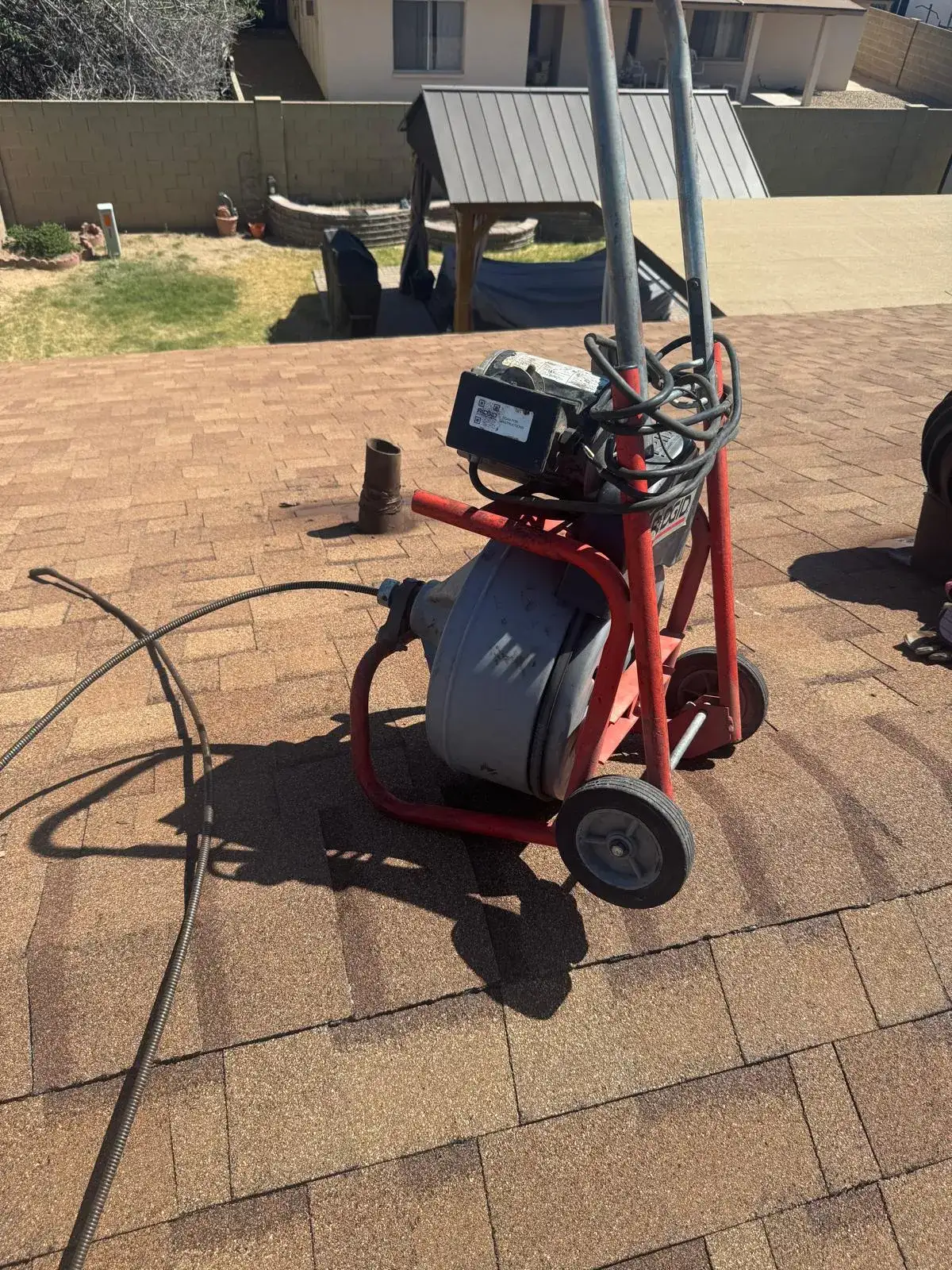
Your sewer line is the pipe that carries everything from the house to the city sewer or septic system. You never see it, and you rarely think about it, until it stops working. Some problems can be cleared with an electric drain machine. Others mean the pipe itself is damaged and needs repair.
After 26 years of plumbing work around Phoenix, Arturo has learned that the signs are usually there long before a major backup. This guide covers the seven warning signs, why sewer lines fail in the Valley, how a repair is planned, the difference between excavation and trenchless sewer repair and how to protect the line afterwards.
The seven warning signs
1. The same clog comes back within weeks or months after being cleared. 2. Several fixtures back up at once, especially the lowest drains in the house like a shower, tub or floor drain. 3. Toilets gurgle or bubble when the washer drains or another toilet is flushed.
4. A sewage smell outside near the cleanout or along the path of the line. 5. Wet, soft spots in the yard or patches of grass that stay greener than the rest, even in summer. 6. Cracks or settling in concrete, pavers or a driveway over the line. 7. Pests like roaches or rats around drain openings, which can travel through broken sewer pipe.
One of these on its own may have a simple explanation. Two or more together, especially a repeat clog plus a smell or wet spot outside, is a strong reason to have the line inspected.
Why sewer lines fail in the Valley
Many older homes in the Phoenix area have clay or cast iron sewer lines. Clay comes in short sections with many joints, and roots from trees and shrubs find their way into those joints looking for water. Cast iron rusts and scales from the inside over decades until the wall gets thin and rough.
The clay and caliche soil common in the Valley also moves as it dries and gets wet, especially when monsoon rain arrives after months of heat. That movement can shift joints and create sags. Even newer plastic lines can sag if the soil under them settled, or break if they were hit during construction, landscaping or a fence installation.
Confirming the problem with a camera
Before any digging, the line should be inspected with a sewer camera. The camera travels through the pipe and shows the inside on a screen, so the plumber can see roots, breaks, offset joints or a belly. It also measures distance, and with a locator above ground, the plumber can mark exactly where the damage is and how deep.
That information decides everything that follows: whether the line only needs cleaning, whether a single section needs repair or whether a longer stretch of the line is failing. A good inspection is what keeps a sewer line repair targeted instead of guessing and digging in the wrong place.
How a traditional excavation repair works
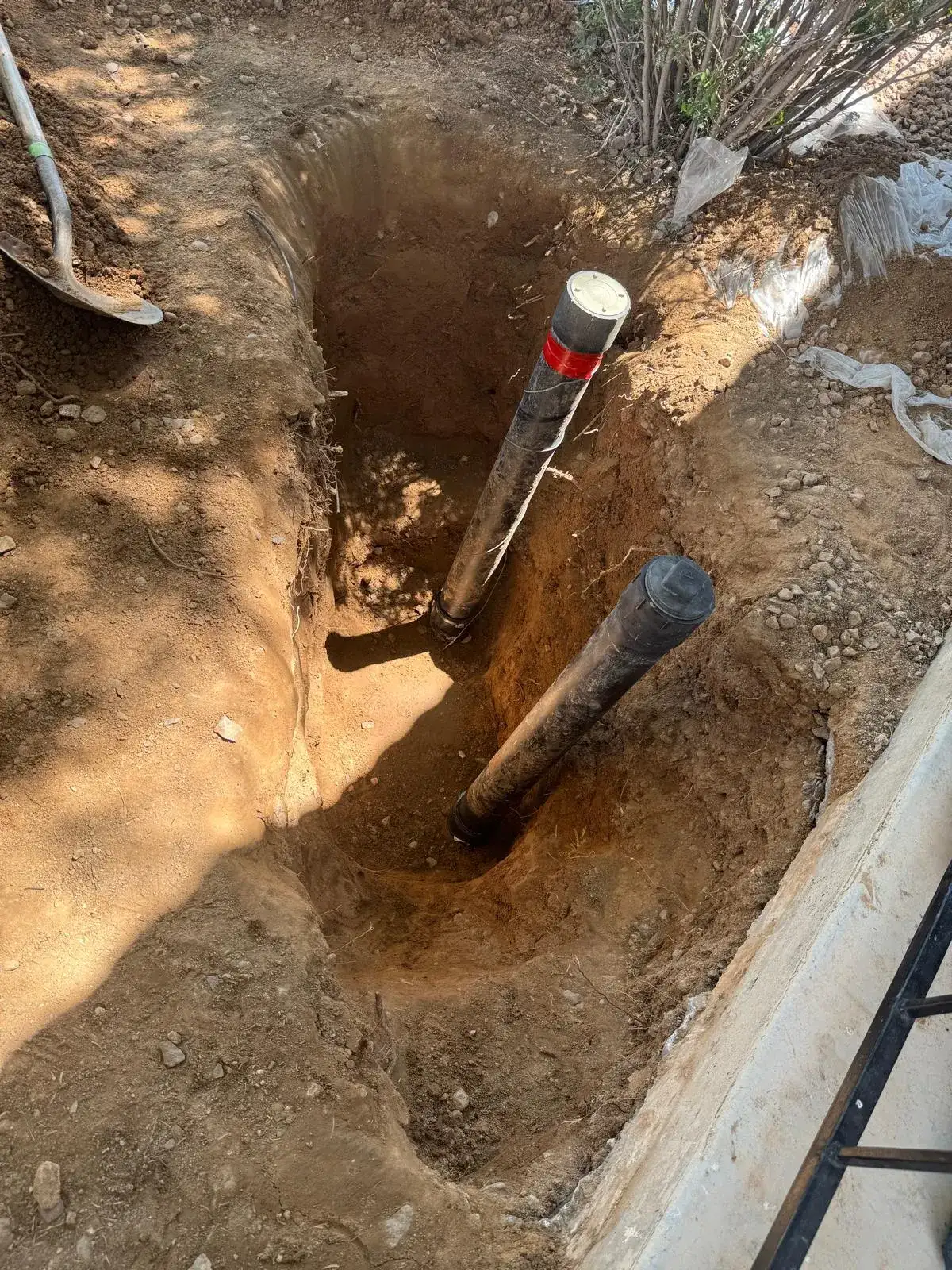
In a traditional repair, the damaged section is exposed by digging down to the pipe at the spot the camera located. The broken pipe is cut out and replaced with new pipe, the joints are connected, and the line is tested before the trench is filled. Our photo shows this kind of job: the line exposed in a trench with a new cleanout installed.
Excavation is straightforward and works for almost any type of damage, including collapsed pipe and severe sags, which some other methods cannot fix. The downside is the digging itself: the yard, pavers or concrete over the line have to be opened and then restored.
Excavation vs trenchless sewer repair
Trenchless sewer repair is a group of methods that fix the pipe with little or no digging along its length. With pipe lining, a flexible liner coated with resin is pulled into the old pipe and hardened in place, creating a new pipe inside the old one. With pipe bursting, a new pipe is pulled through the old one while a tool breaks the old pipe apart. Both usually need one or two small access pits instead of a full trench.
Trenchless is not the right answer for every line. A pipe with a deep sag, a full collapse or a very short damaged section may be better fixed by excavation. Pipe size, material, depth and how many connections the line has also matter. If someone proposes a method, ask why it fits your line, what the camera showed and what will be restored afterwards. The method should follow the inspection, not the other way around.
Putting the yard back together
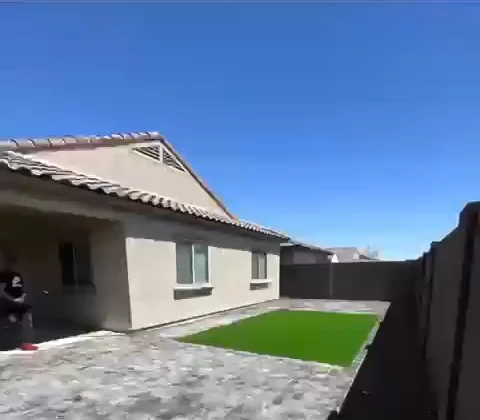
With a sewer repair, the yard is part of the job. Many homeowners end up with a repaired pipe and a dirt trench where their pavers, turf or concrete used to be, waiting for another contractor.
Because Arturo's Plumbing Contractor General also installs artificial turf, pavers and landscaping, and works as a general contractor, we can restore the area over the repair as part of the same project. It also makes sense to add a cleanout while the line is open, so future cleaning and inspections are easier.
Protecting the line afterwards
Do not pour grease down the kitchen drain, and throw wipes in the trash, including the ones sold as flushable. Be careful when planting trees and large shrubs near the line, since roots are the most common cause of sewer damage in older neighborhoods.
If your line has a history of roots, a maintenance cleaning on a regular schedule is usually cheaper than another emergency. Know where your line runs before digging for a new patio, pool or fence, and keep the cleanout cap accessible.
If you are buying an older home, ask for a sewer camera inspection before closing. It is one of the few parts of a house the regular inspection usually does not look at, and knowing the condition of the line ahead of time lets you plan for a repair instead of being surprised by one.