Sun City was one of the first planned retirement communities in the country, and much of it was built in the 1960s and 1970s. From Lakeview and the Sun Bowl area to the streets off Bell Road, Union Hills and the Grand Avenue corridor, and next door in Youngtown, many homes still have a good part of their original plumbing.
That plumbing has done its job for a long time. This guide is written for the people who live in those homes and for the adult children who help them: what tends to wear out, how to make a bathroom easier and safer to use, how to protect the house during a summer away and how to work with a plumber without feeling rushed.
What is under a Sun City home
Many Sun City homes sit on a concrete slab, with copper water lines running under or through it and cast iron drain pipes carrying waste out to the sewer. Both materials were standard at the time and lasted well. After roughly half a century of hard Valley water and shifting desert soil, though, they are near the end of their working life in a lot of homes.
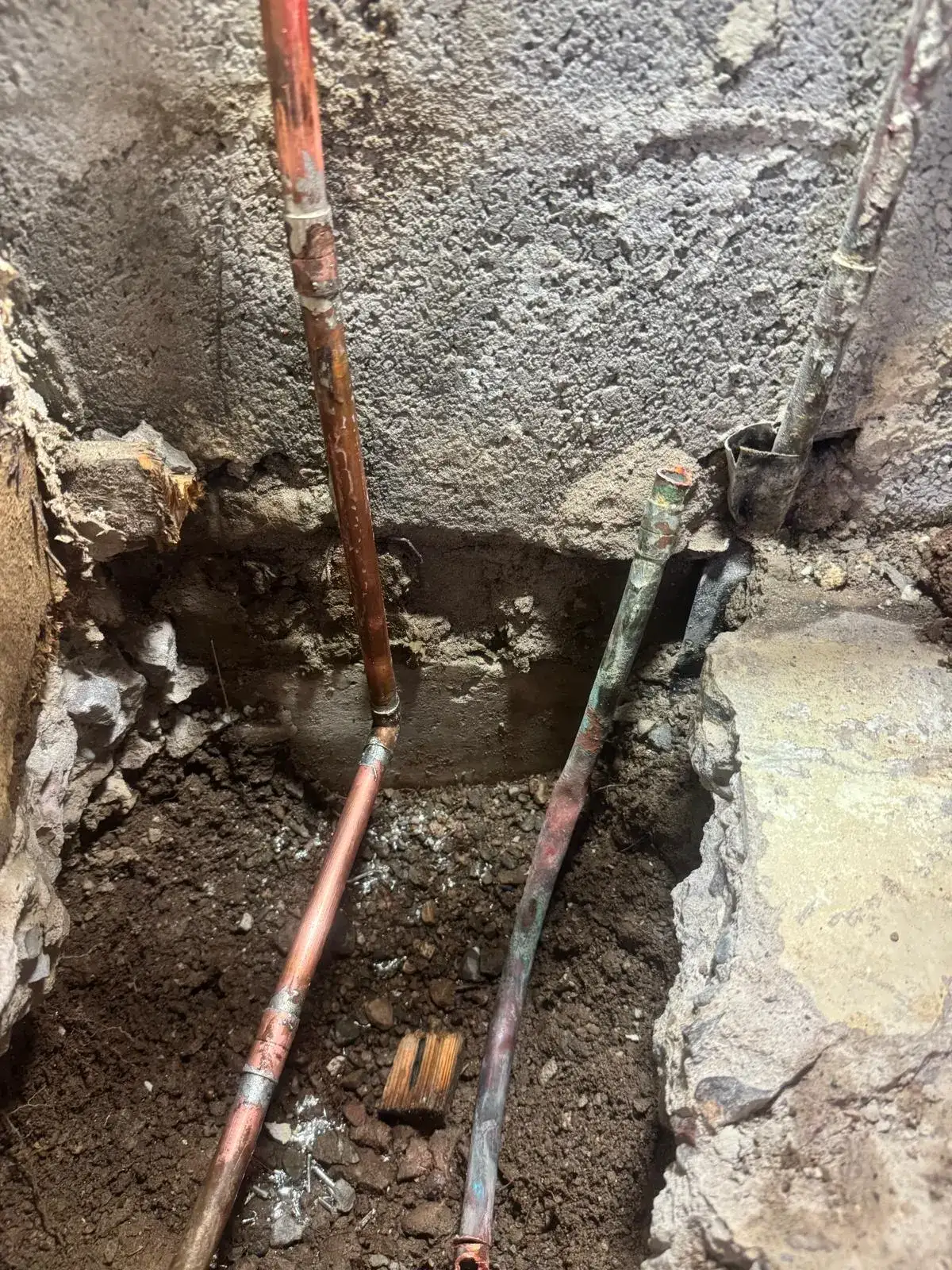
In copper, the usual failure is a pinhole leak. In cast iron, it is scale building up inside the pipe, cracks or the bottom of the pipe slowly wearing through. Original shutoff valves under sinks and behind toilets also tend to stick or fail to close all the way.
Warning signs worth a phone call
Slab leaks are often quiet. Signs include a warm spot on the floor, the sound of running water when every tap is closed, a water bill that rises without explanation, cracks in flooring or damp carpet with no visible source. If the water meter keeps moving with everything turned off, there is a leak somewhere.
With cast iron drains, watch for drains that slow down again soon after being cleared, a sewer smell in the house, gurgling toilets or water backing up into a shower. A camera inspection shows the inside of the pipe so you can see the condition with your own eyes before deciding anything.
An old pipe does not always need replacing right away. Arturo explains the options in plain words: repair the one spot that failed, or replace a section before it fails somewhere else. The decision is yours.
Making the bathroom safer and easier
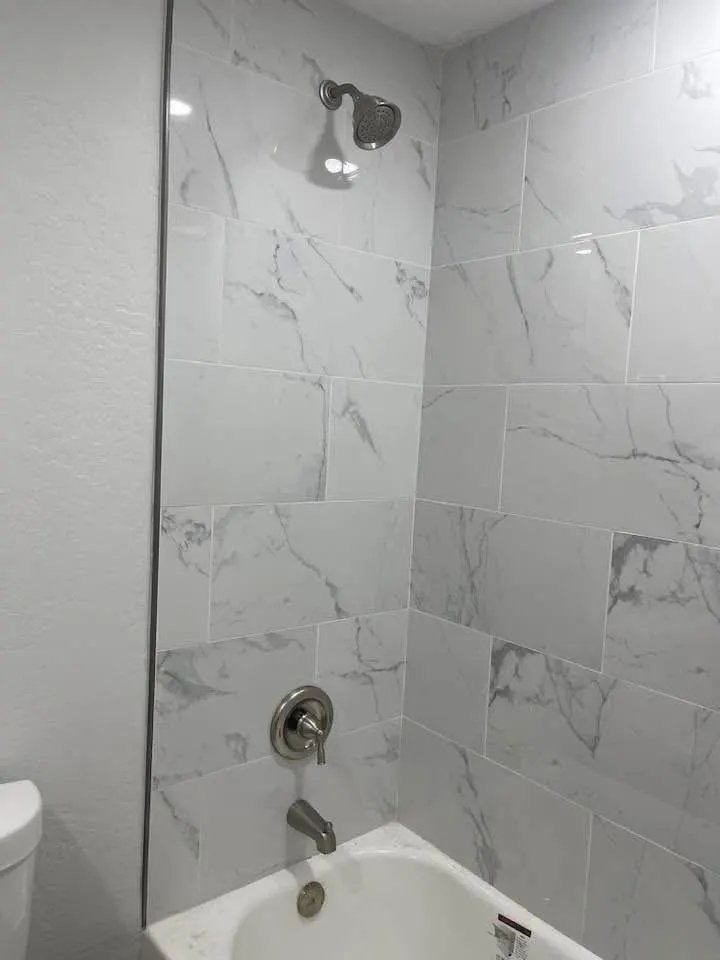
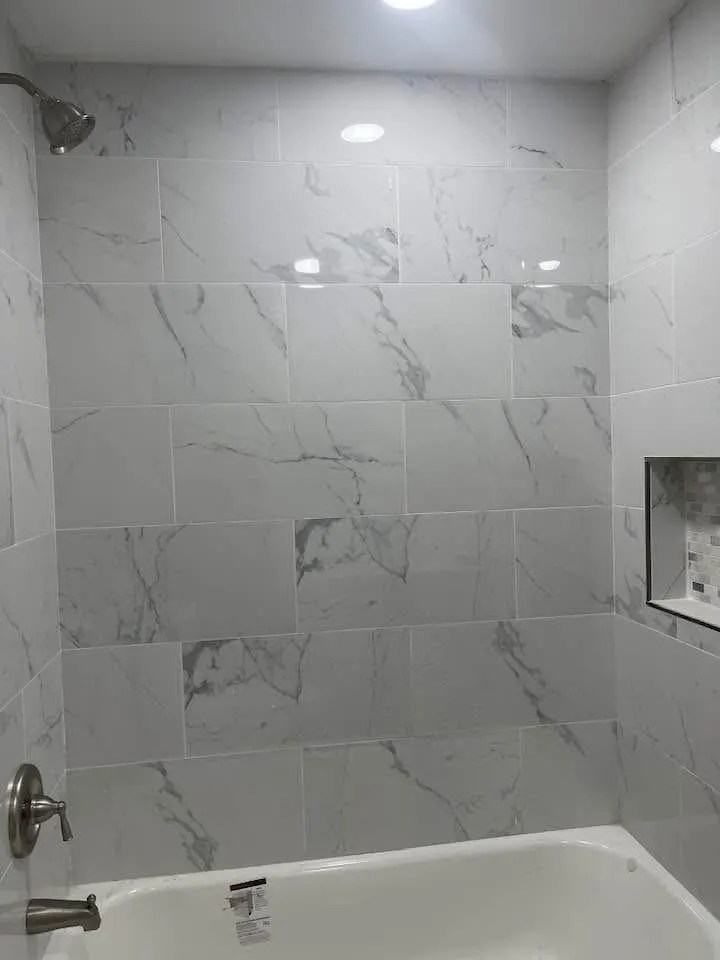
For many residents, the hardest part of the bathroom is stepping over a high tub wall. Converting the tub into a walk in tiled shower with a low entry is one of the most common projects we do in Sun City. The work includes moving the drain and the shower valve, building the shower with tile and a niche for bottles at a comfortable height, and finishing the walls.
While the walls are open is the best time to add solid backing for grab bars, so they can be mounted firmly where you actually need them, not only where a stud happens to be. Other helpful changes are a handheld shower head on a slide bar, a bench or seat, lever handles that are easier to turn than knobs, slip resistant floor tile and a comfort height toilet.
Because Arturo is a plumber and a general contractor, the plumbing, tile, drywall and paint are one job with one person responsible.
Hot water that is safe, not scalding
Skin becomes more sensitive to hot water with age. Many households set the water heater somewhere around 120 degrees Fahrenheit as a balance between comfort and scald risk. If your water comes out hotter than you like, the setting is worth checking.
Older shower valves can also send a sudden blast of hot water when someone flushes a toilet or starts the dishwasher. A newer pressure balancing shower valve keeps the temperature much steadier. If you are updating the shower, it is worth including.
Leaving the house for the summer
Some Sun City residents spend the hottest months away. An empty house with a small leak can turn into a large repair by the time anyone sees it. A short checklist before leaving helps a lot:
Shut off the main water valve, or at least the valves to the toilets, sinks and washer. Set the water heater to vacation mode or turn it off following the instructions on the unit. Run water through every drain so the traps stay full, and consider a few drops of mineral oil in drains that dry out to slow evaporation. Leave a key and our number with a trusted neighbor.
If a neighbor finds water on the floor or hears the water heater leaking, they can call or text us at any hour and send photos. That way the problem gets stopped right away instead of weeks later.
Small jobs not worth the risk
Some plumbing chores look simple but involve kneeling under a sink, climbing into the attic or lifting a heavy toilet. A fall is far more costly than a service call. Replacing a supply line, swapping a toilet fill valve or reaching a stuck shutoff are all quick for a plumber and not worth getting hurt over.
What you can do safely is simple: know where the main shutoff is, keep the area around the water heater clear, look under sinks now and then for drips or stains, and listen for a toilet that keeps refilling. Catching those things early keeps small repairs small.
How to hire a plumber without pressure
A good plumber should explain what is wrong, show you what he found, give you the price before any work starts and leave the decision to you. Be cautious with anyone who knocks on the door unannounced, insists that everything must be done today or will not put the price in writing.
It helps to have a family member on the call or on a text thread, especially for bigger decisions. Arturo is patient, explains every step, sends photos of what he finds and speaks both English and Spanish, so nobody in the family is left out of the conversation.