Tempe is a mix of owner occupied homes, rental houses near the university and apartment buildings, with many of the older homes around Maple-Ash, Kiwanis Park and McClintock built in the 1960s and 1970s. That mix creates a common question when something goes wrong: who calls the plumber, and who pays?
This guide is for both sides. Tenants will find what they can safely handle and when to report a problem. Owners and landlords will find what usually falls on them, why Tempe drains clog the way they do and how to keep a busy home from turning into repeated plumbing service calls.
Start with the lease
Before anyone picks up a wrench, read the lease. Most leases say who handles repairs, how the tenant should report a problem and whether the tenant is allowed to call a plumber directly. Some landlords want every call to go through them or a property manager. Others give tenants a number to call at night.
As a general pattern, the owner is usually responsible for the plumbing system itself: pipes, the water heater, the sewer line and fixtures that wear out. A tenant may be asked to cover damage caused by misuse, such as a toilet clogged with wipes. Every lease is different, so the written agreement is what counts, and if there is a dispute, it is a question for the lease and not for the plumber.
What tenants can safely handle
Know where the shutoff valves are. Every sink and toilet has a small valve underneath, and the house has a main shutoff. If water is spraying or a toilet is overflowing, closing the nearest valve is the single most useful thing you can do.
A plunger is fine for a single slow toilet or sink. Cleaning a clogged faucet aerator or shower head with vinegar is simple and safe. Beyond that, report it.
Avoid chemical drain cleaners. They rarely clear a real clog, they can damage older pipe and they make the job more dangerous for whoever opens the drain next. And do not try repairs under the sink or behind the toilet in a rental unless the owner has said yes.
Report problems early, with details
Small plumbing problems get bigger when they wait. A slow drain becomes a backup, a drip under the sink soaks the cabinet floor, and a running toilet raises the water bill for whoever pays it.
When you report, be specific: which fixture, what it is doing, when it started and whether other drains are affected. Take a photo or a short video. If several drains back up at once, especially a tub filling when the toilet is flushed, say so right away, because that points to the main line and not to one fixture.
What owners and landlords should plan for
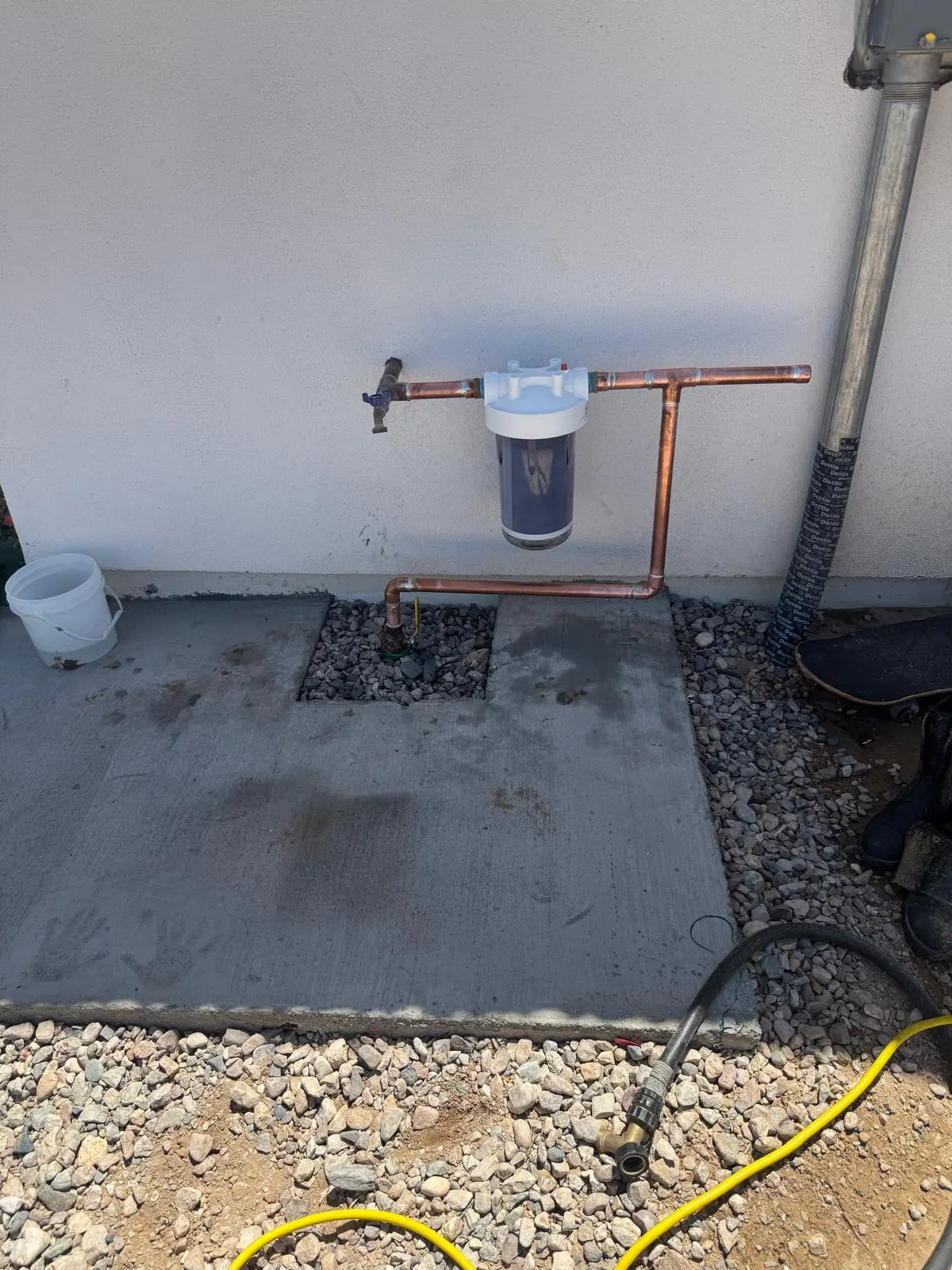
For owners, the goal is fewer emergency calls. In older Tempe homes, that means knowing the condition of the sewer line, the age of the water heater and the type of supply pipe before a tenant calls at night.
A camera inspection of the main line tells you whether roots, cracks or a sag are building up. Checking the water heater label tells you its age. A look under the sinks shows whether the supply connectors and valves are old and stiff. These are small costs compared with a backup during a lease.
We work for homeowners, landlords and property managers, for one unit or a whole building, and explain each repair in plain terms with a free estimate so the owner can decide.
Why drains clog in busy Tempe homes
More people in one home means more hair in the shower drains, more grease in the kitchen sink and, too often, wipes in the toilets. Even wipes labeled flushable do not break down the way toilet paper does, and they catch on any rough spot in the pipe.
A few habits help a lot: a hair catcher in each shower, grease into the trash instead of the sink, nothing but toilet paper in the toilet. Owners can post those three rules where tenants see them. It is cheaper than any drain cleaning.
The main line that keeps backing up
In the 1960s and 1970s neighborhoods of central Tempe, sewer lines are often clay or cast iron. After decades of roots and settling, those pipes crack, separate or sag, and the result is a main line clog that comes back every few months.
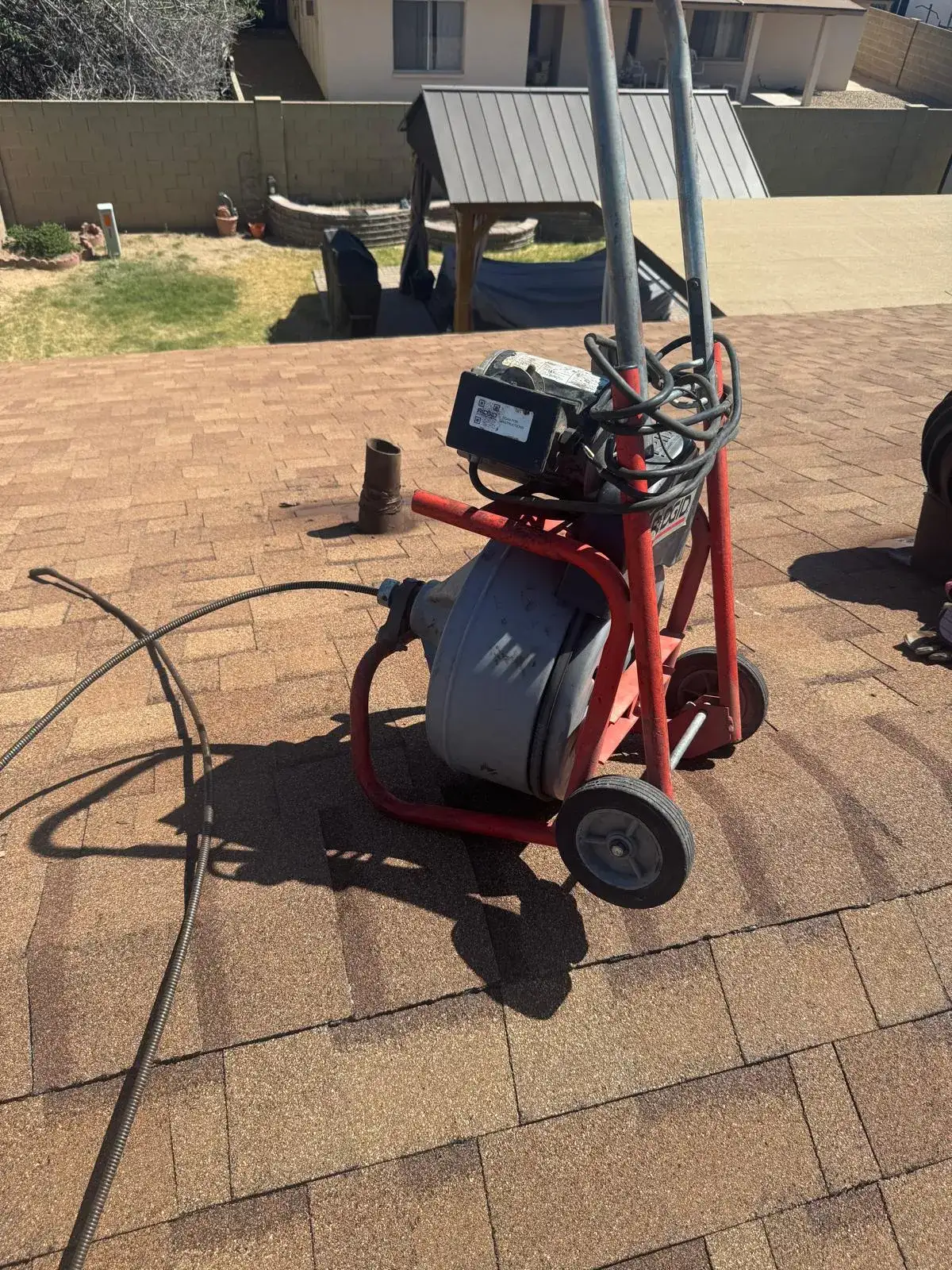
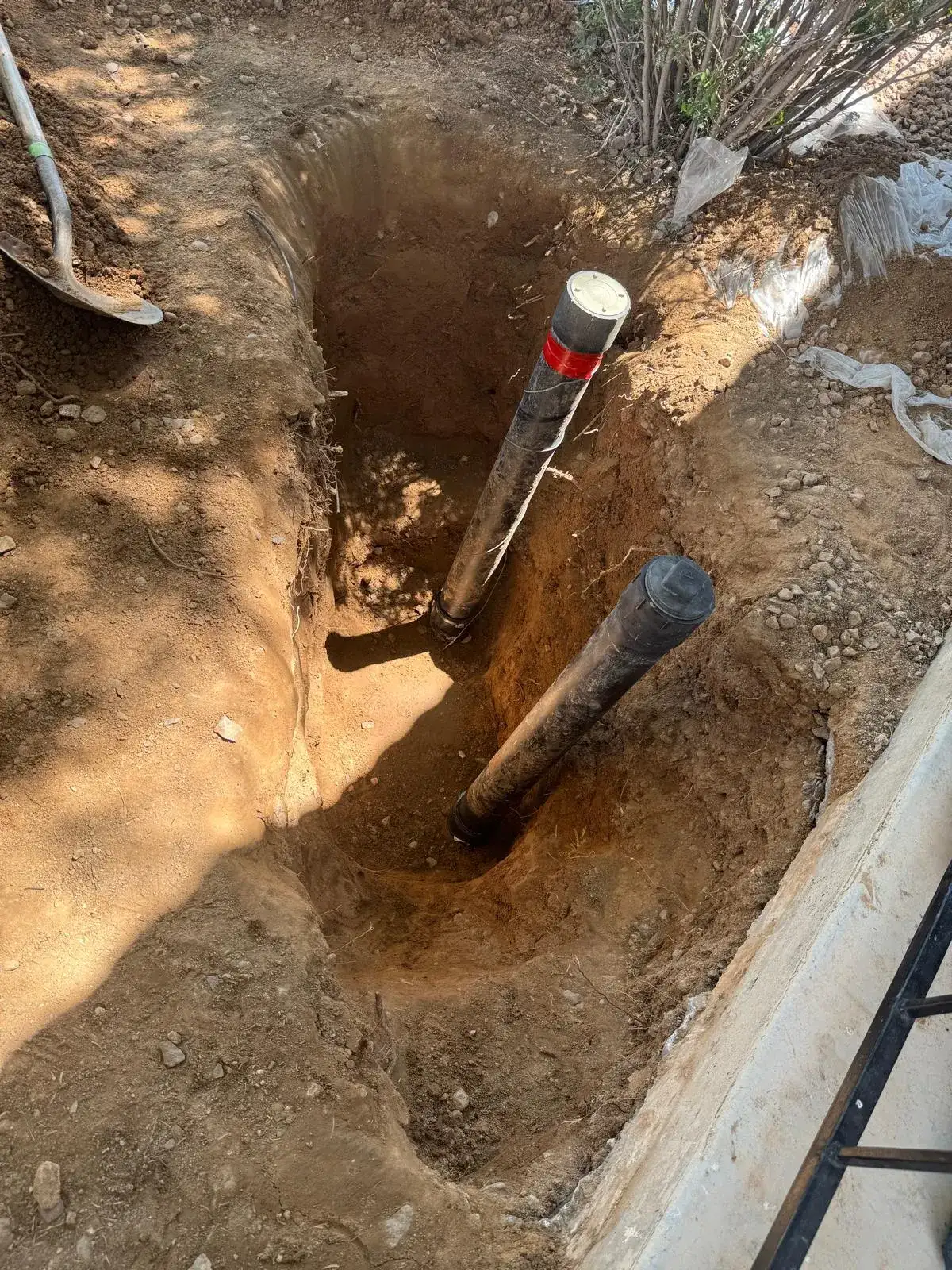
Clearing it with an electric drain machine solves today, but not the cause. Running an inspection camera after the line is clear shows exactly what is happening and where. If a section is broken, we show the owner where it is and how deep, and dig only where needed. That turns a repeating service call into one planned repair.
Water heaters and hard water in shared homes
A rental with four or five people runs the water heater much harder than a home with two. Add the hard water of the Valley, and sediment builds up fast. Tenants notice it first as hot water running out quickly or a popping sound from the tank.
Owners can extend the life of the heater by having it flushed, checking the anode rod every few years and replacing it before the tank leaks into the garage or a closet. A tenant who sees water at the base of the heater should report it the same day.
Near the lakes and parks
Around The Lakes, Lakeshore and Kiwanis Park, mature trees and heavy landscaping mean more roots near sewer lines and more irrigation lines under the yard. A wet patch that never dries or a sudden jump in the water bill can point to an irrigation leak. A camera check every few years catches root intrusion before it blocks the line.
Owners of homes in this area can also ask for the irrigation lines to be checked when the sewer line is inspected. Finding a slow leak under the yard early protects the landscaping, the foundation and the water bill, whether the home is rented or lived in by the owner.